Back
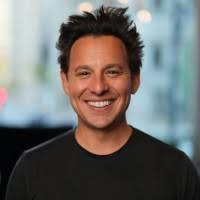
Harley Finkelstein
President, Shopify

#118 with Harley Finkelstein (Shopify's President) - Why You Should Drop Out Of School and Start ...

🎥 Feb 01, 2021 📺 BlackNova Productions ⏱ 59m
Sam Parr (@theSamParr) and Shaan Puri (@ShaanVP) are joined by Harley Finkelstein (@harleyf) on the pod today. Harley is the COO of Shopify. In today’s episode you’ll hear: Sam and Harley share a hilarious but effective way to recruit senior employees (0:30), Harley gives his background and how he became the COO at Shopify (2:52), Shaan brings to light some interesting emails from the early investment rounds of Shopify (9:30), Harley shares some of the major things he’s seeing in retail during COVID (19:30), Sam asks Harley which companies he’s seen that can be successful on Shopify (30:00), H...
Watch on YouTube

About Harley Finkelstein

Harley Finkelstein, President of Shopify, appeared at the company's DotDev 2026 global partner event in July, where he discussed new POS features such as buy online, return in store. He described the feature as bringing foot traffic into stores and turning returns into exchanges, adding that it is "not just about convenience" for brands. In an April 2026 interview, Finkelstein discussed his family's history, including his father's escape from persecution in Hungary and his grandfather's work at a farmers' market in Montreal. He said that a building with his family's name is "a symbol of survival" and "perseverance." Finkelstein also spoke about anxiety, stating that he has "had anxiety my entire life" and that it does not go away. He described AI as delivering "uncapped reach and uncapped resources" for entrepreneurs and suggested that the current era may be "the golden age of entrepreneurship." He also said that entrepreneurship is "the greatest tool for freedom and for independence in the world" and that Shopify "tries to level the playing field so anyone can do it."

Source: AI-verified profile updated from Harley Finkelstein's recent appearances. Browse all interviews →

Transcript (142 segments)
U
Unknown0:01
Uh-huh.
I feel like I could rule the world. I know I could be what I want to. I put my all in it like no days off on the road. Let's travel. Never looking back.
S
Sam0:18
All right, we are here. We're live. Harley, what's going on? Um Sean, how are you?
S
Sean0:24
I'm doing great.
H
Harley Finkelstein0:24
Hey, Sean. Hey, Sam. Good to good to be here.
S
Sam0:26
We're going to get to intros in a second. Apologies if my internet is going to suck. I u I'm recruiting this guy who lives in Philly to be a writer at my company and I'm currently living in New York, but like he was like, you know, I'm not sure. So, I just got in a car and I went and rented a hotel for two days and I just showed up at his house and I was like to recruit him and convince him to join my company. And uh so that's kind of why I'm at the hotel. I used to do f I I used to do fake trips by the way to Seattle.
S
Sean0:54
Like just fake like I I had to be in Seattle.
S
Sam0:55
I'll be in town. Yeah. So I I'll just be in town and uh and actually uh the person that runs ecosystem is probably the greatest leader I've ever recruited. Uh came from one of those meetings where every year for like three years I would just happen to be in Seattle and we'd happen to have breakfast and eventually he's like, "All right, I'm ready to jump ship." So I get it. Yeah. So I did one of those trips and I booked the hotel for two nights because I was like, "If he doesn't say yes the first day, I'm for sure here the second day. So I'm going to show up again."
S
Sean1:21
Totally.
S
Sam1:21
So we're here. Well, the trick is is if you can get the uh the partner, significant other out with you to the dinner, it's, you know, it's a done deal because I used to talk to um
S
Sean1:30
That's what we did.
S
Sam1:31
You did that? Yeah. Exact. So, I talked to Scott Harrison who's the he's a co-founder of Charity Water and his big thing was he's like trying to recruit world class talent to come work in a nonprofit and he's like, "How do you convince somebody to leave their, you know, million-dollar job at at Google and like, you know, come work for one-tenth of that for me and like save the world?" And so I used to he'd always be in San Francisco. We'd catch up and I'd be like, "So what are you in town for?" And it's always that. He was like, "I'm taking, you know, the person I want and their husband or wife out to dinner and I'm going to tell him, you know, the Steve Jobs line of like, you know, stop selling sugar water and let's, you know, come change the world." And it was pretty effective. I got to say, he was closing a lot of good people.
H
Harley Finkelstein2:10
It works. I mean, the key to this whole model is is you have to be so long-term, right? If you're going to be at a company or you're going to be running your business for only a year or two, you can't plant those type of seeds. But when you sort of use a 10-year or to be honest with you, I I use a hundred-year horizon uh on most of the stuff we do at Shopify and most of the stuff I do personally, which I know sounds extreme, but it's a good lens to use. You begin to say it doesn't matter if I don't close this person or get this person for a year or two or three. At some point, this may work itself out and and and it it always does.
S
Sam2:39
And so, we should explain. So, Harley, you are um the big dog over at at Shopify. I think that's the official job title. Some people call you the COO. Um how long have you been there? So, you said you're taking a long-term view. When did you join Shopify?
H
Harley Finkelstein2:52
Yeah. So, um I joined Shopify uh 11 years ago. I was one of Shopify's first merchants. I was born in Montreal in Canada, grew up in South Florida and moved to uh Montreal to go to McGill when I was 17. That was 2001. Um frankly, the world, you know, went sideways in September 2001. Um stock markets crash and my parents lost everything. And I sort of became an accidental entrepreneur through that process. I wanted to support myself and wanted to help my parents and started a t-shirt business. Started making t-shirts for universities. A mentor of mine convinced me to go to law school. Um, not to become a lawyer, but to become a better entrepreneur. He, his hypothesis was that it would provide me, it'd be like finishing school for entrepreneurship, teach me how to write, how to think, how to be more articulate. And he happened to be teaching law at the University of Ottawa in 2005. And so I applied to one single law school. It was Ottawa and moved to University of Ottawa and had no friends or family here in town. Started to look for the entrepreneurs, hung out, met Toby. He was transitioning from being a snowboard entrepreneur to being a software entrepreneur. And uh I ended up uh opening one of the first stores on Shopify uh in 2006.
S
Sam3:59
And that was a t-shirt shop.
H
Harley Finkelstein4:00
Uh it was a t-shirt shop. Yeah. Licensed t-shirt shop. Uh and I finished law school. I made made some money with the t-shirt shop. Helped my mom and sisters and supported my family. And then in 2009, I was practicing law in Toronto for all of 10 months and hated it. Thought it was the worst thing ever. And I called Toby and I asked him uh if I can come join him and and and a couple others, mostly engineers, and sort of was the first non-engineer at the company. And I'm I'm now actually the president of Shopify. Uh and it's been uh it's been amazing.
S
Sam4:28
Just like uh seven days ago,
H
Harley Finkelstein4:30
Like a second ago. Yeah. Just just just uh changes. Thank you.
Uh and it's been it's been the ride of of a lifetime. And and frankly, it's what's neat and I'm sure I know you guys talk a lot about this, but the my my my mission, my personal mission and my sort of professional mission are exactly the same. I think entrepreneurship is the greatest tool for uh freedom and for independence in the world and it was out of touch for for most people for a very very long time and Shopify tries to level the playing field so anyone can do it and on a personal level u my wife and I who are both entrepreneurs, we also try to do that as well. So, it is um it's uh it's it's truly my life's work.
S
Sam5:06
What what how how into the business is it Toby, right? That's the founder's name.
H
Harley Finkelstein5:10
Yeah. Toby.
S
Sam5:11
How into how far along was he into the business when you worked we started with him full-time?
H
Harley Finkelstein5:17
Uh about three or four years.
S
Sam5:19
Do you know how in like in terms in terms of employees? Uh any numbers you can give?
H
Harley Finkelstein5:23
Uh sub sub 15 or you know certainly sub 20. Um and it was mostly the interesting story was so Toby had moved to Canada. um because he met a girl. Uh a good reason to move from Germany to Canada. And when you move to Canada, I think it's the same in the US as a new immigrant, you can't just get a job. You don't have any working papers. There's you're missing the the uh the documents to actually get a real job, get hired. But someone had told him that, okay, you can't get a job, but you can totally start your own business. And so, being in Canada, he decided he would start a snowboard shop. And this is 2004. In 2004, there were two ways to sell something on the internet. The first way was you put it on a marketplace uh like an eBay or a uh an Etsy or Amazon. I don't know if Amazon was doing third-party sellers at that point, but you can use another person's marketplace and it was very inexpensive to do that. Uh but you effectively rented customers from those marketplaces. So you didn't really build your own brand, your own business. And the other way was you would go to GSI Commerce if you remember those companies or um Hybrids or uh company like ATG Magento. You go to these big enterprise companies and for like a million bucks you build an online store. He didn't have that kind of money, but he was also one of the Ruby core members uh building Ruby on Rails with people like DHH and some others. And he ended up falling in love with Ruby on Rails and deciding to build a piece of software to sell these snowboards. And that was 2004. And by 2006, uh it was clear as clear as day that the snowboard business was a good idea, but the software business was a great idea. And that's around the time where I met him and he started uh enabling or allowing others to use the software to start their own businesses and uh and I joined a couple years after that.
S
Sam7:04
And when you jo when you join like an early company like that often times there's like not like a clearly defined role especially if you're a non-engineer. It's like hey there's a bunch of that we need done and it's a little bit of this and a little bit of that. Was is that how it was at that time? Was it kind of
H
Harley Finkelstein7:18
I I actually um the the advice or the the insight I I give to folks who are thinking of starting an early stage company who don't necessarily have who are not an engineer or a designer or product manager or something like that is just make yourself as valuable as possible. Forget everything you think you are. Just find ways to add value.
S
Sam7:35
And um
H
Harley Finkelstein7:36
I was I was technically a lawyer. I had built a number of of businesses both online and offline. Um and I we didn't have a CFO then. We had no CMO then. I remember uh within a couple of months of joining, we raised our first our series A. It was from Bessemer. Bessemer led it. It was a $7 million round and I think it was a $25 million preer post. I can't remember. But I was like, look, I'm going to figure out a way to like help raise this series A. I'm going to figure out what what what that means, how what that takes. Um I was, you know, furiously, you know, looking up what is a liquidation preference. Turns out it's a pretty important thing to know what what it is. Um but that was it. It was it was really it was just add as much value as I possibly could. And it was only much later when we hired you know a CFO and a chief marketing officer that it became clear where I wanted to spend my time which really was both on the storytelling side of Shopify making sure the world knows that Shopify exists. So on the growth side, on the um on on the uh you know PR side of things, but also internally focus on commercialization uh which is uh for me now things like our growth team, our sales team and got to build a Shopify platform which is cool and Shopify plus and I've just got to do some really neat things. So I I the other day I was reading because um Bessemer who invested they have this memo that they put out uh they put out a bunch of the historical memos of like what they said at the time they invested and these are
S
Sam8:56
By way this is something that Sean's obsessed with. He'll go back and read like the the founding letter of eBay or something like he loves or like but like instead of dinosaurs it's businesses.
S
Sean9:09
I got this idea about this like marketplace. What do you think?
S
Sam9:11
Right. So, so I dug up the fossils here. They, you know, they put it out there, which is pretty easy, but it's there's a couple really interesting things I wanted to to ask your opinion on. So, um, so like you said, they invested, um, you know, the series A and they put this little chart on their memo. If you want to see it, just go to bvp.com/memos and, um, they say, you know, what are the possible exit scenarios? So, they'll say like, you know, it could be a zero, you know, if they burn through cash and they mismanage it and they can't return, you know, the money. Um they gave it a 12% chance of of a zero outcome. Uh and then they gave it, you know, a 28% chance of a $50 million outcome. And that the top of the range they had was a $400 million exit they thought would take six years. And they thought, uh there's a 3% chance that they can that they can reach this mark. And you know, looking at it right now, Shopify market cap is 129 basically $130 billion. And so um exceeded you know even the their grand scenario was 400 million 130 billion is sort of like out of the you know out of this world compared to what they were expecting. Um and I think this goes to show that even really smart savvy investors who have seen many many deals.
S
Sean10:20
Those are some of the best guys in the business right the best team. Those like that's a next level team.
S
Sam10:25
Exactly. And so you know our ability to forecast and project these category leaders and growing markets is is so so poor. And in fact, in some ways, what you did, I think was a much better way to guide your intuition, right? Just follow your intuition, which is like, hey, I've had this problem before. I used this thing. I think more people are going to have this problem. Let me jump right in and just see how much value we can create out of this.
H
Harley Finkelstein10:47
And that that was for me sort of my own sort of holy moment. uh when I when I when I realized that Shopify was something much more than a software company was um when I moved from undergrad when I moved from from Montreal to Ottawa to go to law school. Um undergrad, as you all know, you don't have to show up for class,
S
Sam11:06
Right?
H
Harley Finkelstein11:06
You can just show up for the exam, you pass, you're all good. And that worked great for me because I was, you know, I was running a t-shirt business and I spent all my waking hours running this little this little business. Law school uses the Socratic method and you're required to actually be there. So, the t-shirt business, the wholesale business just didn't scale properly. And so, I needed a way to make money concurrently while I was in class without having to leave class. And the the moment where um I I had some relationships in the t-shirt industry because of the wholesale business. And I set up this little online store called Smooofer, which was a nickname of of a law school buddy of mine. This was sort of in the Zappos days where we all sort of people were creating uh business names and brands that were kind of random words that really meant nothing. So Smoother seemed fitting [snorts] and I remember sitting in tax law class and I wasn't an engineer. Uh I had very little experience at that point in in digital retailer or retail in general. And I was able to build a store and my biggest competitor after a couple of weeks was Walmart Canada. And it was great. I made some money. I was able to pay tuition and my my you know help the family. But the fact that I, as a 21-year-old law student, was able to build a company sitting in class that competed against the largest, one of the largest retailers on the planet at that that time. That felt incredibly different. That felt like giving people with ambition these incredible superpowers, these magical tools in which they can go and take their to their ambition and turn into something really, really big. And if I was able to do that and I was able to create independence, freedom, quote-unquote success for myself, wouldn't it be great if we can do this at scale for at that point thinking of a million merchants, which we have now, we bought a million merchants. That would have been crazy. But I thought, hey, if we give this to 10,000 people, this would be so unbelievable. And what would happen if anyone who had a product or an idea or a craft or a hobby was able to commercialize that thing and take it to a global audience? What what would that look like? And I don't think the the Bessemer letter memo was was wrong by any means, but at that point, the total addressable market for people that needed an online store was very small. That's the first thing. Second of all, the Shopify product was fundamentally an online store builder. We were effectively CMS with a checkout. We had some bells and whistles, but it was it was mostly just uh you know, an online store builder. And if you sort of fast forward till today, the relationship that Shopify has with the million or more brands on Shopify, some are, you know, a lot of small brands, but also some really big ones, the Gym Shocks and Allbirds and Bombas and Tommy John underwear of the world and Schwinn Bicycles and Nestle and and and Proctor and Gamble. The relationship we have with them is is that of we are their work. When someone says they're going to work in the morning and they're on Shopify, what they mean is they open up the Shopify dashboard. And the relationship we have with them today is we've given out over a billion dollars of capital. So we're their banks in some cases. We have we helped them with shipping and fulfillment. We help them with payments. Uh we help them with physical commerce as as well as online commerce. And so there was no way to predict where Shopify was going unless you were inside of Shopify where you were able to visualize or extrapolate, oh wait a second, we can be more than just online commerce. We can be a retail operating system. We can also help with capital and shipping and fulfillment. Also, the addressable market is going to be more than just the people currently looking for online stores. It's anyone that has ambition or it's anyone that wants to wants a piece of software that makes more money than it costs. And I think for that reason, it'd be very difficult to to predict something like Shopify 10 years ago.
S
Sam14:37
Well, how big did you um like let's say 5 years into your journey, you you joined in 2009, you said?
H
Harley Finkelstein14:43
2010. Yeah.
S
Sam14:44
2010. 2013, do you remember your revenue? Let's say your third year in, your fourth year in, do you remember your revenue?
H
Harley Finkelstein14:51
I don't. Not not offhand. I mean, it was it was sub probably 100 million at that point. Um uh or maybe close to that. Um
S
Sam14:57
Oh, well that's great.
H
Harley Finkelstein14:59
Yeah. I mean, we we I mean, I certainly knew we were on to something. I I sort of always had the, you know, the twinkle in my eye that hey, this is something really really special.
S
Sam15:07
Wait, so you guys were doing 100 million in revenue in year four?
H
Harley Finkelstein15:10
It's probably it's probably less than I don't know the exact numbers, but
S
Sam15:12
So, one cool thing with this memo is it has it for those earlier years. So, 09 uh 0809 uh basically. And it looks like 08 was like a million dollars in sales revenue. Um 09 two and a half million and then 2010 predicted was five million at that time. So it's definitely sub hundred million. So I'm not even close at that point. Um but
But you guys weren't struggling right
H
Harley Finkelstein15:34
We we uh struggling. I mean I did not know I mean I I thought there was huge potential to this thing but like any early stage startup there is a sense of is this thing going to completely
S
Sam15:44
Did you sell shares along the way? Um,
H
Harley Finkelstein15:49
Not much. No. Uh, I mean I I may have done a very small secondary just to be able to afford a house when I got married. Uh, but beyond that, no. Um,
S
Sam15:57
Amazing.
H
Harley Finkelstein15:58
And and I think that is a great question to ask because it does show sort of the confidence you have in the business. So yes, there was some traction and yes, we began to see that people were being successful, but it was actually watching stores that started on Shopify around their mom's kitchen table that grew to be um I remember there's a company out of San Francisco called Dodo Case. Do you guys ever remember Dodo Case? It was like this beautiful um leatherbound iPad case and they started with us early, you know, at some point in 2010. And then Obama took a photo of of of him holding his iPad with a Dodo case. And I remember thinking like this is a company they make a great product but what we have done is we've we've enabled them to distribute it at scale and and and and including to the president of the United States. And I remember thinking that um this is real now. It is real that it's not just a place to sell a product for a limited period of time or some sort of promotional product but this actually enables more people to try their hand on entrepreneurship. And again it wasn't like you couldn't do it. You could sell on eBay or you can sell a product, you know, you can build a store on Magento, but it was just out of reach for so many people. So the the amount of people back in 2013 who self-identified as entrepreneurs was so damn low. And it wasn't because they weren't ambitious. It was because they're just the tools just did not exist.
S
Sean17:18
Sam, there's this uh dope quote that I think Toby said that I think is like one of the you know, like
S
Sam17:24
Does it involve rebels?
S
Sean17:26
Yes, you you've heard this one.
S
Sam17:27
So I was going to say the exact same thing. I'm not going to steer thunder, but let me preface by saying Harley's got this like beautiful PC inspirational way of describing like we're going to empower these people. The best description of Shopify was described exactly how Sean's about to explain it, which I I thought you guys wouldn't want like to militarize it, but it is the best way.
S
Sean17:47
I thought it was amazing. Uh basically he there's a quote that he said where he was like you know Amazon wants to build a giant empire and at Shopify we want to arm the rebels which is basically like give give each of the individual merchants the tools and abilities to to sell and have great shops on their own rather than become the one big mega shop of the world. And I thought,
H
Harley Finkelstein18:06
Which by the way would be would be really boring, right? I I think as consumers, you know, one of the major things that I'm I'm seeing now in retail sort of in kind of a a pandemic is one the obvious the obvious thing which is that we've had like eight or 10 years worth of acceleration in digital commerce as a percentage of total commerce um in the last like 6 months. So we've gone from like 15% of of e-commerce to total retail to like 25%. Okay, that's cool. That's neat. But the bigger thing that I'm watching is consumers globally have unequivocally began to vote with their wallets to buy from independent businesses whenever possible. And that's those are the rebels. And it's not that those rebels didn't exist. It's that now if you are a business, you know, let's say you make beautiful jewelry for your family and you decide this morning in the shower, I'm going to start a business today and sell this jewelry. The fact that you can give consumers the same one-click checkout experience that Amazon does. You can offer really affordable shipping for two-day shipping. You can get pricing on payments and late shipping labels that is similar to what the big guys are getting. That is only happening because of this arming the rebels thing. And and what really has happened is that Shopify, if you pretend for a second that we are a retailer, we're not, but if pretend for a second we are, we are the second largest retailer online retailer in America after Amazon. The difference is that number three, number four, number five, that's like Walmart.com, Target, all these other retailers. They take those economies of scale and keep them for themselves. Whereas, because we're a platform and because we're trying to arm the rebels, we actually can distribute all those economies of scale to entrepreneurs. So that today, starting on Shopify, you effectively get the same rates on all these things you need to run your business that the big companies were able to afford and you get it day one. And that is the idea of Army of the Rebels. That is how you level the playing field ultimately.
S
Sam19:59
Were you guys just sitting around hanging out brainstorming and you came up with that shtick or did someone bring it to you or did you read it? That's a beautiful
S
Sean20:05
Is that like an ad agency, you know, either million dollar retainer by
H
Harley Finkelstein20:09
No, no, no. We are we are so we [laughter] are so not that company. We don't believe in in ad agencies. I I I don't know where where it came from. Uh but it certainly is resonating and sticking. And the truth is the the rebels are winning. Like I think I think the greatest, you know, workout gear right now is Gym Shark. I think the most comfortable pair of shoes I have is Allbirds. I think maybe too much information. The best underwear is Tommy John. Like the stuff that I love, not because they're on Shopify, but because I think as a consumer I like high quality products. They are all independent businesses, aka Rebels. So, it isn't like I'm I'm supporting them from this philanthropic charitable um angle. I'm supporting them and I'm buying from them because they have the best stuff. And I think that is
S
Sam20:51
That is really great.
So, let's let's actually go down that path. And you mentioned something earlier about Schwinn Bikes. I like Schwinn Bikes because it's like a classic American brand. One of my favorite entrepreneurs, Sam Zell, bought it and I don't actually know if he still owns it, but he's a real estate guy. And it's super interesting. If you had $50 million to buy a brand right now and and and put them on Shopify, what would you do? Who would you buy
S
Sean21:16
Or invest in if you can't?
S
Sam21:19
Uh so I'm speaking personally now, right? Just you Harley.
H
Harley Finkelstein21:23
Um
I'm trying to think of some of the worst experiences I've ever had online shopping. So here's the cool part of the Schwinn story to to your point about about Sam or you know whoever owns it now. Um Sam I I think the reason I love the Schwinn story is because Schwinn bicycles is a great brand. It's iconic. People that have Schwinn bicycles love Schwinn bicycles. But it took you know decades to convince them to go direct to consumer. It took them, it took a pandemic to convince them to finally decide to create a beautiful direct to consumer online store on Shopify. Um, in the first week of COVID hitting, I remember Heinz Ketchup set up a store on Shopify to do a direct to consumer in-home condiment site. I think it's called Heinz at Home. Ghirardelli chocolate did the same thing. Snickers did the same thing as well.
S
Sam22:13
I think Pepsi did it too.
H
Harley Finkelstein22:15
Yeah. I mean, Pep, we've had PepsiCo Pepsi Co brands on Shop for a while. Lays potato chips. Um
S
Sam22:20
I think you guys did like a snacks.com or something
H
Harley Finkelstein22:23
Something like that. Yeah, I don't remember exactly what what what the domain was, but the idea that these brands are are now going direct to consumer is great and also kind of weird. Why have they not been direct to consumer? Go back 250 years. Think about the way that consumers purchased. First of all, as a consumer, the way the place you went to buy was the place where people congregated. So the town square in a small town. If you bought bread, you bought bread from the baker. And if you bought shoes, you bought it from the cobbler. There was no intermediary there. And then in 1876 in Philadelphia, a guy named John Wanamaker created this concept called a department store called Wanamaker's Department Store. And it was the first time that a bunch of different brands and a bunch of different products were all sold under the same roof. And it was a big store in in in Philadelphia, which is I think where you are right now, right, Sam? Yeah. Uh, and I'm sure there's some Wanamaker Street there as well.

S
Sam23:19
Well, there's the Wanamaker Mile. You know, the Wanamaker, that's probably where Wanamaker store was. And
H
Harley Finkelstein23:26
After that happened, after Wanamaker's department store launched, you you effectively had this period of something in the neighborhood of like 130 years of incredible intermediation where you had resellers of other people's products. And I think the reason you had that was because distribution was difficult. So if you were, do you guys know Boosted Board skateboard company? So if you were Boosted Board and you wanted to get your hands uh into your products into the hands of of consumers, you had to put that into a store like a Best Buy because Best Buy had stores all over the country, all over the world. And that's how you do distribution. But then as the late 90s and early 2000s came around, the internet completely democratized and commoditized distribution. Everyone had distribution and so you would have expected very quickly everyone that was being sold through an intermediary would have very quickly moved towards direct to consumer and for the most part a lot of them did. But but there were so many laggards and some of our favorite brands, the brands that frankly are iconic um just did not take that route quick enough. So, the fact that Schwinn did that now and the fact that others have followed suit, that to me is um is amazing. I just I I wish that happened more uh a lot more quickly. And now what happens when I see brands that are still not going direct to consumer, but I know that I want to purchase particularly a $1,400 or $1,500 bicycle. Let me buy the thing. How could it be so difficult to buy for me to spend $1,500 on a new $3,000 new bike? Um, let me think the brands that I think are um, okay, my favorite my my my favorite t-shirt in the world and is he's a friend, so he's probably going to hear this, but my favorite t-shirt in in the world is James Perse. I think James makes the greatest t-shirts ever. Um, and you can buy it off jamesperse.com and it's an okay experience. I think it could be 10 times better if they were on Shopify. They don't have accelerated checkout. They don't allow me to use Shop Pay, which if you ever use Shop Pay, it's like the greatest way to purchase something online, or Apple Pay. They don't allow me to do 3D or AR uh fit fittings. Um, that is a brand personally that I would I would put money into, and if James needed my money, I would put money into there. That would be one. A second one would be I I think there's incredible um uh direct I think there's incredible amount of of demand right now, especially for high-end wine online, and it is almost impossible. Some because of regulation, but some just because of frankly laziness for these great wine brands to go direct to consumer. I don't know why that's taking so damn long. Uh probably the next one I would say would be uh I I think buying Apple's one thing, but buying electronics online, I don't know where to buy it from. I don't know exactly where I'm going to get the best price or value. I don't know who's going to send to me fastest. That to me creates confusion amongst consumers. Confusion is bad. Which which which category of electronics?
S
Sam26:18
Well, I mean, we talked earlier about my my setup. Uh, if I want to buy a new DSLR Sony camera right now, um, I would love to just go to Sony and buy it, but I can't. I I can't go to Sony. I have to go to all these different stores and all of them are different pricing and all of them are going to ship at different rates, but as a consumer, it creates a lot of it creates a lot of confusion and frankly, I may just end up not buying it at all. And that to me is is is is quite ridiculous.
Yeah, I like that. Uh there's there's this theory of business that's like you know business goes through two trends. It's bundling and unbundling. And so and what you described about like shopping is basically that where it was you know initially unbundled got bundled into a department store is be uh has begun to become unbundled on on the internet again as uh you know the retailers basically have direct relationships with their customers. But then there's also, you know, still at the same time there's Amazon, right? And I think that one of the key trends here was um being able to reach your customers through essentially Facebook ads and um and and draw them to your website. Otherwise, you know, how the hell will they know that you exist? And so I think that was kind of your favorite retail experience, right? Physical online physical retail experience. My favorite physical retail experience is when I walk into a store and walking in, they know my size. They know that I'm walking in. They have things ready for me. It doesn't have to be high-end even. It can be even a low-end store that just has, you know, cool socks and knows that these are the socks I always love. [gasps] One of the reasons that I'm not surprised to see massive closures from big physical retailers, especially those that did not have their own brands, is because they stopped adding value. Why do I have to walk into Barneys to buy a James Perse shirt when I can buy it directly from James Perse? Well, I would do it and I would allow Barneys to share in the profit margin if they're adding some additional value to me. So maybe it's education, maybe they've curated something that I wouldn't have seen before, maybe they help me, you know, find products and brands that I wouldn't otherwise see. But if they're just going to sell the same thing I can get directly from the brand itself, they don't deserve the profit margin. And I think consumers have voted against that, which is why we see so many iconic department stores close down.
The company Gym Shark is fascinating to me and everything that we're going to say. The cool thing about um British companies is even if they're private, they have to reveal their revenue if they do above 20 million. I think in revenue like you can go to Companies House or something like that and look at it
H
Harley Finkelstein28:34
Australia. Yeah.
S
Sam28:35
And uh it's it's great. And Gym Shark was like crazy profitable given how fast they're growing and that they were like selling hard goods which is is rare. Besides Gym Shark, which companies have you seen where you're like, 'Oh my gosh, if I wasn't doing this or if I had like a young friend and I wanted to tell him to go and start this business where you've just seen the margins and you're like, 'Wow, this is this is shocking how good this is.'
H
Harley Finkelstein29:00
Yeah. So, first of all, I think um I think so Ben Francis, who's the founder of Gym Shark, is is a friend and and I I I know that story well because like I I I remember when Ben started that business and I've watched it grow. I've had a very close view. um to that business. And the truth is the reason that business is so great is because one they have high quality products and two they have a deep understanding of who their customer base is. They're not if you if you look at Gym Shark's influencer program and you look at um another company's you know bigger company that's more established influencer program it's totally different. One feels transactional and one feels like a real relationship. And you can see that I mean even inside of Gym Shark the ratio from influencer reps to the influencer is very very small because there's an intimate relationship. And so anyone that is promoting Gym Shark on social media has a deep connection to Gym Shark. They know Ben. They've spoken to Ben. They've talked about uh products that are coming out and and I think they've done it uh in a much better way. You know, one company that doesn't get a lot of uh doesn't get enough attention, but it's an amazing business is Fashion Nova. I if you know that that that business. Um, so Richard started Fashion Nova out of Los Angeles, Fashion Nova has done such a great job to the extent that if you look at Fashion Nova right now and you go there tomorrow, the inventory turnover is massive. It's mostly made in in Los Angeles. And the way that they've created this sort of hyper um
Fast fashion is remarkable. And Fashion Nova is a company that frankly is as prominent as any of the major fashion houses. And Richard just started it in a very different compelling way. I think a lot of the influencers that end up starting businesses, whether it's Kylie Cosmetics or it's Jeffree Star, who both started, you know, had lives before their Shopify stores. What people don't understand is actually how great of a business those folks have. They are not selling promotional products. Drake's OVO store, it's not a promotional product. The Yeezy store is not a promotional product. And I think the public in general views a lot of these Kylie cosmetic things as oh it's just a brand extension. No, it's not. It's someone who deeply understands that space. In her case, it's cosmetics or Jeffree Star. He was doing makeup tutorials for years on YouTube and decided I can make a better product than I'm currently using from Sephora. And then they go ahead and they produce it, they manufacture it, they design, they sell it themselves. And so I find a lot of those types of businesses, they get some attention. They're on the front page of Fortune. People really think it's cool. But I think once you actually go a level deeper, it's incredibly impressive what they've done. And then you can keep going. You can look at what Tom has done with Tommy John underwear or the Allbirds store, what Joey has done at Allbirds. I mean these are companies that if, let's actually this is a good place to pause on this. If Michael Jordan started the Jordan brand today, he would own 100% of it, just like Yeezy does, just like Drake owns OVO, just like Kylie owns Kylie Cosmetics. But because the Jordan brand started in the mid-80s, he was a licensor of his brand to Nike. He received a royalty. The royalty was substantial, but he had no choice but to work with Nike on this deal because fundamentally Nike had the means of manufacturing and the means of distribution. That would be my answer to your question, Sam, of where would I put the 50 billion is I would go to, you know, Zion Williamson or Luka Doncic or something, you know, the next NBA star. And I would say, hey, we're going to, don't just sign with Nike. Own your business, own your brand. I will put up the money and let's go direct to consumer. Let's own the relationship with your customers and rather than just licensing your face and your name to someone else, right, who then controls it indefinitely. And then they can cut you when you hurt your knee, you know.
S
Sam32:48
But that's not like new. That's not like new. Like isn't that what O, media Oprah, what's her thing called? O something. I mean that's not that's not crazy new.
H
Harley Finkelstein32:59
That isn't new except for the fact that the scale that they're at right now is new. The amount, I mean we've never seen a scale before.
S
Sam33:07
I had, I this is cool and I'm not trying to name drop. It's a really neat story.
H
Harley Finkelstein33:11
I have a relationship with this guy Marshall Lynch, Beast Mode. And so I get to spend some time with him. He's a really cool dude and he's done amazing things for his community in Oakland, but he's also a great entrepreneur. When we talk, we do not talk about the NFL contract, which I think was $90 million or something. We talk about Beast Mode Apparel, which is a Shopify store. And he is as excited, especially now that he's not playing football anymore, with Beast Mode as he was with his other life. And the reason was Beast Mode, he owned 100% of it. He was not at the beck and call or at the helm of the NFL or of the team. He was able to employ a ton of people in his community and his family. What I think is unique about these businesses and having this idea of 100% ownership is that it moves the power imbalance from the big company to the actual person behind it, to the brand behind it. And you're right, Sam, that this is not necessarily new as a concept. Oprah has been doing it, others have been doing it for a while, but no one has done it at this scale. So Drake for example may have a bunch of hits coming up or he may not have any more hits, but OVO apparel is its own thing now that it is tied indirectly to him having hits and him being a great brand. But the collaboration they're doing with Canada Goose, it's one of the most popular winter jackets is the OVO jacket. Who would have thought that Drake, kid from Toronto, would be making one of the most popular winter jackets and that that brand is not a one-time thing but has incredible longevity. And when you contrast that with going to a concert when you were 13 years old and you bought a t-shirt at the stand, it was like a Gilden kind of crappy t-shirt with the tour dates on the back. We have gotten so far from that. And all that to be said, I think what we're seeing is everyone is now turning into an entrepreneur and that is really cool.
S
Sam34:57
Sean, do you know anything about? So our audience, Harley, it's like I actually think it's 85% male. It's probably all dorks like me and Sean. So they probably don't know too much about Fashion Nova. Sean, do you know anything about Fashion Nova?
S
Sean35:11
Uh, I've studied it a little bit, but go ahead. You sound like you have something good.
S
Sam35:15
So, for the guys out there listening, Fashion Nova, if you're a fool and live underneath a rock, it's basically I don't know how to describe it. It's like fast fashion. It's almost like H&M or something like that or Forever 21 online.
S
Sean35:29
Born on Instagram basically.
S
Sam35:32
Born on Instagram, but the guy, I'm here. The guy who started it, I think he's an Iranian immigrant or I forget where he's from, somewhere in the Middle East. His parents started like a one of those just kind of boring shops on the corner, nothing special that sold clothing. And he goes, 'No, no, no, no, no. We can make this a little bit better.' So he started doing and he sponsors basically Cardi B was like his big sponsor and he sponsors tons of people just like Cardi B and it's like the world hip hop, what's it called?
S
Sean35:45
Yeah.
S
Sam35:46
Persian. His parents started like a one of those just kind of boring shops on the corner, nothing special that sold clothing. And he goes, 'No, no, no, no, no. We can make this a little bit better.' So he started doing and he sponsors basically Cardi B was like his big sponsor and he sponsors tons of people just like Cardi B and it's like the world hip hop, what's it called? Worldstar Hip Hop crowd which I love and I follow and it's like the same crowd. And here's how I knew he was crushing it. He owns 100% of the business and about three years ago when they still were small, I read in TMZ that he bought a $20 million mansion in LA.
S
Sean36:05
Worldstar Hip Hop.
S
Sam36:06
Worldstar Hip Hop crowd which I love and I follow and it's like the same crowd. And here's how I knew he was crushing it. He owns 100% of the business and about three years ago when they still were small, I read in TMZ that he bought a $20 million mansion in LA.
S
Sean36:20
Avicii, he bought Avicii's house.
S
Sam36:22
Yes, and the best way to find out or the easiest way to find out if a private company is crazy profitable is by looking at the real estate holdings of the owner. It's hands down the best way if you don't know anything.
S
Sean36:35
Maybe you don't know how the mortgage is, you don't know the economics.
H
Harley Finkelstein36:39
But actually one of the things you said is super interesting. So let's take Cardi B. Cardi B now is huge and everyone would wish that they had a partnership or a brand affiliation with Cardi B. The genius of Richard is that he discovered Cardi B before anyone even talked about it and he planted these seeds, these small investments with people that he thought had the potential to be the next biggest pop star in the world. And because of that, what you end up with is a relationship between Fashion Nova and Cardi B that is unlike any other relationship from any other brand because Richard was part of Cardi's story. He was there when and gave her money and he gave her assistance and support when no one else would. And I think that to me is one of the traits of an amazing entrepreneur. They see something that no one else did. Now, Pepsi can come in today and just overpay, but Cardi is never going to give the same type of attention, care, love, and promotion to Pepsi as she's going to give to Fashion, to Richard. And I love that. I think that is really the
S
Sam37:40
Is it crazy to say that Fashion, I don't know how to ask this because I know you're not able to say, but I imagine Fashion Nova is between 500 million and a billion in revenue.
H
Harley Finkelstein37:50
I can't give out individual merchants' revenue because it's not my revenue, it's their revenue. But they've done incredibly well and more importantly though, they have longevity. There's staying power to this thing. This isn't a one-and-done type of thing. That's the reason why I love talking about the Allbirds story so much because frankly, they only have three or four SKUs, but there is the staying power of it. But what is the common denominator across all of these great DTC brands that I think are leading in their categories, in some cases have become the incumbents, is that they're using modern retail techniques. If you ask Joey from Allbirds whether or not they're online or offline, he's like, 'Who cares? If you go to my store and you try a pair of shoes and you complete the purchase in store or online, it doesn't matter to me. It's all just retail. The future of retail is about consumer choice.' So however a consumer wants to buy is okay for them. If you talk to the Best Buy CEO and you ask them about their channel conflicts, which is a real thing inside of Best Buy, they will talk about the fact that online commerce hurts offline commerce. Excuse me. Like what? Offline commerce. It's all just commerce. If I decide to go into, if I was the CEO of Best Buy, I would shrink all my stores down and make them almost like FAO Schwarz play playgrounds. I'd play with the stuff. I'd try the cameras out. I'd use the products and then I go home and buy the products on my iPad. That's the way I would want to purchase. But Best Buy, because they use a more traditional view of retail, which is there's online, there's offline, unfortunately, it doesn't lend itself well to consumer preference in 2020.
S
Sam39:20
So, what are, okay, give me, let's play a little game called overrated, underrated. So I can tell from what you talked about a second ago, I would say that maybe underrated is a trend where influential people owning their own brands and going direct to consumer, right? Beast Mode, George with his, underrated is because I think a lot of people think it's just a marketing ploy or some sort of promotional product.
H
Harley Finkelstein39:42
I would say it's equally rated. It's perfectly rated properly now.
S
Sam39:47
In our crowd it's rated properly now, but I would say in main it's still not the mainstream behavior. Let's put it that way, right? Well, you don't see them raising money. You see very few IPOs. There is a tough time if they actually do want to access the public markets.
H
Harley Finkelstein40:00
Unless they SPAC. So there's different categories, right? So it's happening, it happened in alcohol, right? Conor McGregor with his whiskey, George Clooney with his whatever. And then there's beauty where Rihanna is doing it, Kylie's doing it, etc. There's shoes that we're talking about where, whether it's Yeezy or what I was saying, which is like athletes not going with the behemoths and maybe doing their own thing, kind of like what LaVar Ball tried to do, but if that actually worked. And so there's more categories. So let's say that's underrated, where that trend is going to continue and it's going to grow and it's going to go into more categories, right? Like maybe Richard Branson should have his own wine and he should create his own direct-to-consumer wine brand and that should be a great thing with billionaire wines. And what's overrated? So maybe I don't know, what's your take on drop shipping or some of the other trends you're seeing in online retail where you think maybe the hype has exceeded what you think is the true value or longevity of it. I actually think this is going to be controversial maybe for you and for your listeners, but I think drop shipping is being completely misunderstood. Completely misunderstood. Drop shipping is a process improvement for retail. That is all it is. And I think the fact that there's so many videos about drop shipping courses and we're all inundated with advertising to think about drop shipping and the courses thing is you see it everywhere. But drop shipping, do you guys know that the brand movement watches MVMT? Yeah, I'm good buddies with Jake. Oh, you know. Okay. So I know Jake really well too and Kramer and they're amazing guys. I've known them since almost day one. They actually won one of our build a business competitions years ago. Probably your first big hit, your first big success, right? Uh, I wouldn't say first big, certainly ones that got a lot of attention because they got bought by Movado and there was a whole story to it. They started with a drop shipping business originally and it was only once they figured out wait a second, there's a market for this thing that they then began to design, manufacture and more and vertically integrate. Would they be here today had the concept of drop shipping not exist? No. Because they were as you know Sam, they were in their dorm room. There was no way for them to actually produce these products without a drop shipping model. Drop shipping allowed them to access entrepreneurship in a capital light way and then they were able to expand to it. There was a soccer store that I forget the name of right now but the guy started it was a soccer blog and he had a really good following. He was talking about Champions League soccer and he ended up just as an experiment going on Oberlo which is a drop shipping app that we purchased a couple years ago and he found a bunch of soccer balls on Oberlo and he just started posting them and within like 3 weeks he realized wait a second, these people that are reading my blog also want to purchase products and so he changed his business model just away from blog, blog became secondary thing, the retail thing became the main business and he started manufacturing his own soccer balls and it's a huge success now. So I actually think drop shipping is probably on the other side of the category which it's just misunderstood. Is there too many drop shipping courses? Probably. I don't know. I have no data on that. I know objectively speaking it feels like there's a lot of drop shipping courses, but as a business model, it's very very effective. And I think that so I think that's one I actually one that is overrated is making masks. I think that there's enough masks out there. If you're making a new unique mask or you're making great unique hand sanitizer, that probably has its own positioning and it's different. I can see it doing well. But I think there's a lot of masks out there right now. I think something that's underrated is people taking a skill set they currently have and that they're really good at, something that's unique to them and actually selling a course around that skill set or selling something that helps people acquire that skill set. I remember looking at like you guys know Justin Guitar from YouTube, amazing way to learn guitar. There was a grandmother in Italy who has a Shopify store. And we can put this in the show notes. If you guys do that, I can see the link. She was doing courses when tourists came to her little village in Italy. She would teach them how to make homemade delicious pasta. It was really cool and worked really well. But COVID hit, Italy got hit first. She had to pivot and she ended up starting a Shopify store where she sells lessons on how to make pasta. I think that so many people are sitting around trying to figure out ways to commercialize their hobby or try to make some money, supplement their income and they actually don't realize that the thing that they could make money with is the skill set they already have. I think that's completely underrated right now.
S
Sam44:23
You mentioned buying an app. I meant, did you mean what you were implying was like a Shopify plugin?
H
Harley Finkelstein44:30
Yeah.
S
Sam44:31
Is that what you guys call them, apps?
H
Harley Finkelstein44:32
Yeah. You know, our good friend Andrew who is on the show all the time, I think he started this thing called WC Commerce and it's all about buying those businesses. I know another guy named Seth that does that as well who he owns, he does it for WordPress and Shopify. What apps don't exist that should exist for the Shopify ecosystem? The neat part about the ecosystem is that because we have so many, we have more than a million stores, we have so many different verticals. There isn't one particular thing that everyone needs. So the way we view the app ecosystem is as follows. Shopify's core offering, what we give to everybody is what most people need most of the time. It satisfies the majority of people's product market requirements, but every single business has particular needs that are not like anyone else's. So you may have a sneaker store. It's a US-based sneaker store, but your primary market is Europe. And so what you may require is some sort of application that does a very quick conversion from US shoe sizes to Italian or European shoe sizes. We probably would not build that into Shopify because it's a niche market, but that is where the opportunity exists for someone to come in and build that for that particular vertical. Sometimes when and that's a dynamic definition of most things most the time. For a long time, email marketing was something that we left to the apps. So we had almost every email marketing app in the ecosystem and a lot of them did really really well. At a particular point, we realize that email marketing is so important that it now qualifies. It's crossed the threshold for most people most of the time. And now Shopify has email marketing built in. Now what we do in those cases, we go to the app developers and we're very clear that hey, we're going to be building this thing because it now fits our definition of what should be in the Shopify core offering. But here's the room that you have to continue to build on top of. And I think because of that, because we have that type of relationship with our ecosystem, it means there's always room for more people to make money. But there isn't one thing that you can go to. You can say, well, right now, there is meal kits or groceries becoming a real niche for us. Well, grocery was never a vertical for Shopify. It is now. There's probably 10 things that grocery stores need to run a really successful Shopify store that Shopify is not providing. And that's where you should build on. And actually, that's one of the reasons why looking at the Shopify user communities, our forums, being on social media, and asking Shopify merchants what they need to make their business better is a really great way to figure out what you should build next for Shopify. And we don't often buy those apps because we believe in an independent app ecosystem, but every now and then with something like Oberlo or Kit, there's a couple others as well, or Handshake, it feels like bringing them into the fold is the right thing for us to do.
S
Sam47:22
I have a very selfish question. So at the Hustle, we've got close to two million subscribers and
H
Harley Finkelstein47:28
It's amazing. So cool.
S
Sam47:30
It's cool. And people have asked us to sell stuff. I always I'm like, this is such a big pain in the ass. I don't want to do this. Because it's not our business. Our business is content. But earlier you said something where yeah, these people switch from content to commerce and it worked out quite well. What should the Hustle sell?
H
Harley Finkelstein47:49
It's a great idea. It's a great question. I know your audience is not only incredibly engaged, but they also like to talk about the Hustle. I mean, that's how I found out about it and what you guys are doing with the podcast. I would actually ask your audience what is the thing that they need the most and then work from there. So at the beginning, sort of before we started rolling, we talked about video and audio. You and I are both using the SM7B mics, these Shure mics. They are clearly the best microphones to use for interviews like this or anything that requires digital voice. Maybe you put together a package because a lot of your people that watch the Hustle are probably running their own businesses. They're probably startup entrepreneurs and they probably are on video hangouts all day long. And if there is a way for you to put together a package for $250 that comes with a better camera, a better microphone, and a better setup, that may be something that works really, really well. Alternatively, you may actually decide that you want a physical book, like actual trees, actual paper book with one thing or 10 things that everyone said on the podcast that you think could be very compelling. One of the things we talked about is, you know, Sean, we talked about overrated, underrated. Maybe there's something that you have that is a beautiful notebook that has ideas that are overrated and underrated. And so as an entrepreneur thinking starting a new business, you start to write down all your ideas and diarize them. That's the cool part. I think what you should not do is take a shitty t-shirt and write the Hustle on it because that to me is commoditized. I think what you should do is think about wait a second, who are the people that are listening to us that love the Hustle? Okay, great. They're all sitting in front of the computer all day long. Maybe the AV kit is what we should be doing. But I think that is how more folks should be thinking about how they take a content brand and commercialize it into more physical product. And I don't necessarily think there's something that you can do that in the wrong way. I've been loving my Ember mug. I never thought I'd like an Ember mug, but actually sitting in front of computer like that, the Ember mug is amazing. My coffee is always warm. Like maybe it's a collaboration between the Hustle and Ember. Actually, maybe this particular Ember mug, you convince them to have a double battery because people that listen to this podcast are just, you know, they go hard and they're always in front of their computer and they don't want that battery to die. That's the type of stuff I would think about.
S
Sam50:09
Well, god damn, maybe you just made me some money.
H
Harley Finkelstein50:12
I hope so. That's why I came on to try to convince the Hustle to become a retailer and a merchant. And that's actually the cool part about what we're seeing around commerce. That grandmother I talked about in Italy, she became a merchant. These restaurants in New York City, you probably see tons of them Sam, that have become merchants. They weren't merchants, they were restaurants. We had a guy advertise with us. It was Mr. Holmes Bakery or something in San Francisco. I don't know if you saw it, but they made bakery stuff and then they were the first ones like we're going to sell banana bread mix and they jumped on that right away and they created a Shopify store and they advertised with us and we sold a ton of that, like maybe thousands of kits and they were the first people to hop on that banana bread train because they knew who their audience was. They had a deep understanding of the people that like their bakery also are the types of people that would like to make their own products, bake their own bread. That is, you know, if you just put out something and said, 'Hey, here are three ideas of things we're thinking of making. Tell me what you want.' I will help you build a Shopify store myself if you'd like because I just think the stuff is so damn cool. But that's the type of stuff that I think works. I think where people get it wrong is they just create promotional product and that is trash for the most part.
S
Sam51:30
So, let me ask you a question. Five years from now, seven years, 10 years, something like that. Will we still be shopping like the way we do today where we see some ads on social media or we get an email about a product, we go click, there's a website with a bunch of pictures as a grid and you scroll, scroll, scroll, you click to check out and then you either one click checkout or you type in your info? Is that what shopping looks like seven years from now, 10 years from now?
H
Harley Finkelstein51:57
No. I mean, you're gonna have elements of that, but that's the neat part about modern retail or modern commerce right now. So right now from Shopify, you set up a Shopify store, you can build your beautiful online store, you can take our point of sale product and sell in a physical store, but you can also push products to Amazon through Shopify, you can push it to Walmart through Shopify, you can push it to eBay, to Pinterest, to Houzz. More and more people are using augmented reality on Shopify, which we have built into the product. But if this was 5 years ago or 10 years ago, we'd probably have a MySpace integration too to enable you to push to MySpace as well. And obviously having a MySpace integration now would be completely useless. That I think is the way to think about modern retail. It's that wherever consumers are, that's where you need to sell. And so right now, consumers are on social media and consumers when it's not a pandemic are in physical stores and they're certainly perusing online and that's where you should sell. But if you are, we have an integration with a company called Reverb, which is out of Chicago, I believe it's a used musical instrument marketplace. If you're selling musical instruments on Shopify, you should activate the Reverb channel because that's where your consumers are purchasing. And if you are Chip and Joanna Gaines, who have Magnolia Shop on Shopify, they got that big TV show Fixer Upper. They sell a lot of their products using Shopify's augmented reality because people don't want to go to Waco, Texas, but they want to know whether or not the couch is going to fit in their house. And so very simply from their Shopify store on your mobile device, you can easily natively from the native browser, you can see how that stuff fits. That is the neat part. So now there are probably eight or 10 channels that are primary channels. Online being the biggest, physical retail being the second, and then all the other channels. There's probably, you know, I don't know, five to 10 primary channels. My hypothesis, my belief is that in 10 years from now, there's going to be a bunch of whole other channels that we have not even thought about right now. And I think the retailers and the brands that are going to be relevant then as they are now will be agnostic to those channels. They won't care that this channel is better than the other channel because they're going to sell wherever the consumers are. Whereas the old school retailers and certainly the department stores, they cannot get over the fact that no one wants to come into their physical location. And so they lament it. They're mad about that. And that's just not the way to run retail in the future. It is. Think about how you all used to buy video games when you were a kid. You'd walk into a store at a particular time, you'd line up at the cash, you get the video game, and you go home. And that's because the retailer was dictating to you, Sean, and you, Sam, how to buy the product. But now you're like, I'm not buying that way. I'm going to buy however I want. I'm going to buy on my couch on my iPad or I'm going to buy at a pop-up store. I'm going to buy on Instagram or Facebook. That is the future of retail. It isn't one channel over the other channel. Websites are going to be less. It's none of that stuff. It's just about where consumer choice is. And if we want to be the most relevant company in retail in the future, as I think we are now, we have to enable merchants to sell anywhere that they have customers.
S
Sam54:54
Last question from me. I know we got to go. Do you, I think that running a public company and going public sounds like the worst thing on earth. Like it's just hell to me. You got to report to people. Everything's out in the open.
S
Sean55:07
Blink twice if Sam's correct. We know you can't say.
H
Harley Finkelstein55:11
I actually, I mean I can say, it's been actually a really interesting experience. I think it's been for me on a personal level, I've actually really enjoyed it. The road show was one of the most interesting two weeks of my entire life. We met a hundred different investors around the world and I got to tell my favorite story, which is that of Shopify. I find the investors we currently have understand, for the most part, the long-term vision of Shopify. I think the fact that we can easily raise money to do all types of cool things, that's gotten easier as well. I know that there is, particularly as I talk to private company entrepreneurs and founders, that there's this hesitation to go public and I'd love to spend more time talking about being a public company because I actually think that there's a lot of advantages to it. And if you have the ambition that certainly I have and I know Tobi definitely has it, that we want to build a 100-year independent business, being a public company is a much easier way to do that and it's a much more effective way to do that.
S
Sam56:12
Harley, I just got to say thank you. This is our Shopify store. My wife made bucks today. Yeah, my wife shops a store. You made her a thousand bucks today. Thank you very much.
H
Harley Finkelstein56:21
She made $1,000. We just made it accessible. What does she sell?
S
Sam56:25
She sells, I can't talk about it on the podcast, but I'll DM you about it.
H
Harley Finkelstein56:31
Cool. That'd be awesome.
S
Sam56:33
Now I'm really curious what she sells. I mean, the type of degenerates who listen to this show are badass and they're going to, if they heard what Sean was making, they would go and spin up something exactly like it on Shopify and probably make more money than he's making.
S
Sean56:48
Exactly. That's why I have this rule which is before something's working, when it's just an idea phase, I tell the whole world about everything, all my ideas. We have a podcast where we give away ideas for free. But once something starts to work, you know, I zip it. And so that's my rule.
S
Sam57:05
Well, thank you, Harley, by the way. I would have normally said this from the beginning, but your name is awesome.
H
Harley Finkelstein57:22
What were you picturing? Finkelstein is sort of an old Jewish kind of name.
S
Sam57:26
Yeah, like an old guy with a beard. Definitely like Jewish beard, but like kind of fat, like a hairy, I don't know, Harvey Weinstein, that's not good.
H
Harley Finkelstein57:41
This is so, I mean I think this is a compliment, it doesn't feel like one right now, but I get what you're saying. But yeah, oh thank you, I'll take that.
S
Sam57:49
You're good-looking and hip, you got like what looks like a fancy cashmere hoodie on, you look badass.
H
Harley Finkelstein57:56
This is called Blue Salt and it's like the most comfortable hoodies ever. It's out of California, Shopify store, and these are the most comfortable shirts ever. So shout out to
S
Sam58:04
Just experienced a Sam compliment where he starts off being like, 'You're awesome.' And then he's like, 'I thought you were going to totally suck and be fat and hairy.' No, I know what it is. It's the guy from Community. He's the guy who has the perfume business. His name's similar to yours. You know what I'm talking about?
H
Harley Finkelstein58:24
No.
S
Sam58:24
Or not Community. Sorry. Parks and Rec. Parks and Rec.
H
Harley Finkelstein58:26
Okay. I don't know, but I'm going to go look that up right now. But thank you for liking my name.
S
Sam58:29
And honestly, I think anything that encourages and inspires more people to think about entrepreneurship and starting businesses and hustling is a really good thing. And so I'm grateful that you help people think about this stuff. The fact you give away business ideas and frankly most ideas you give away are probably million-dollar companies. That is really cool. So thanks for doing that. That's awesome. Harley, on one of our podcasts, we talked about how popular the genre of erotic fiction is and how women love to read Fifty Shades of Gray and a little bit worse. And a listener took that idea, built an erotic newsletter for black lesbians and started, just sold it for I think like 100 grand, you know, three months later. And that's my favorite success story. There's much bigger success stories from the group, but that's my favorite for all the reasons you can probably guess.
H
Harley Finkelstein59:21
Well, that's cool. I'd love all your listeners to start their hustles and businesses on Shopify. But frankly, more entrepreneurs in the world is a really good thing. I think entrepreneurship is the greatest form of self-expression.
S
Sam59:35
All right, kids, drop out of school, start a Shopify store. You heard it here first.
H
Harley Finkelstein59:39
Well, thank you again. This was awesome. And we appreciate it. You're going to have to come back again.
S
Sam59:44
Yeah. Right. This is great.
H
Harley Finkelstein59:45
It's been a great honor. Thank you.
S
Sam59:46
Thanks, Harley.