Reid Hoffman on crypto regulation
From Why the Co-Founder of LinkedIn Is Betting on NFTs Again · · CoinDesk
“I think it would be wise on lots of levels cuz as you know from our conversations, I actually think that the key question, you may have challenges to what's going on in crypto, but you should try to shape it to what is good, not just go 'Eh.' ... if the industry goes, 'Oh, we're overly reacting against Gensler, etc.' and then being kind of as it were anti-Democratic Party on this, the problem is is that the pendulum swings, right? And it's good to be bipartisan from a viewpoint of what we care about is the ecosystem.”
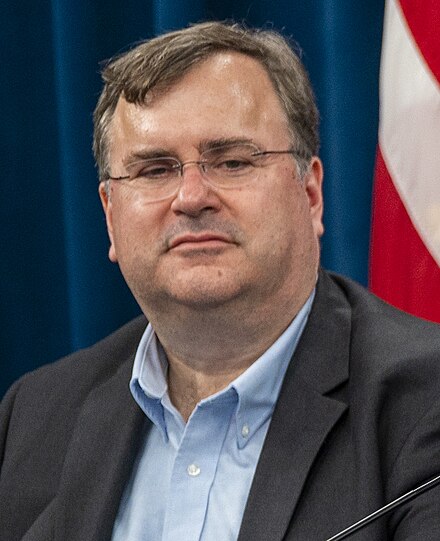
On , Reid Hoffman, Co-Founder at LinkedIn, spoke about crypto regulation during Why the Co-Founder of LinkedIn Is Betting on NFTs Again on CoinDesk.

About Reid Hoffman
Reid Hoffman, co-founder of LinkedIn and a partner at Greylock, has been making public appearances discussing artificial intelligence, cryptocurrency, and healthcare. At the Consensus 2026 conference, Hoffman stated that he bought his first Bitcoin in 2014 and has not sold any since, and he argued that as AI agents outnumber people on the internet, crypto becomes necessary for trust and identity. He said he has returned to crypto with "fresh conviction" and mentioned purchasing a CryptoPunk. At WIRED Health, Hoffman said that if a patient or doctor is not using frontier AI models as a second opinion for serious conditions, he believes they are "bordering on committing malpractice." He also expressed hope that within ten years, every major disease will have target molecules that could make a serious difference. In other appearances, Hoffman discussed the future of work and AI. At the Science x AI Summit, he said that "no one should really be an individual contributor" and that people should instead be "a manager of agents." On the Prof G Markets podcast, he described the transition to an AI-driven economy as "challenging" and noted that it is faster than previous technological shifts. Hoffman also discussed his role as co-founder of Manas AI, an AI-driven drug discovery company, and reiterated his view that AI can expand human capability, a theme he explored in his book "Superagency."