Harsh Mariwala on brand creation
From Citi India Conference 2026 LIVE | Harsh Mariwala On Leadership, Growth & India's Consumer Story · · CNBC-TV18
“If you want to create a new brand today you need a differentiator. Something which cuts ice with the consumer. And if you launch a me-too product the chances of success are much much lower. So I think the key thing is innovation and differentiate. You have to create a very strong right to win. And if I look back at our own portfolio products almost 95% of our portfolio we are market leaders because we identified the right niche where we had a very strong right to win.”
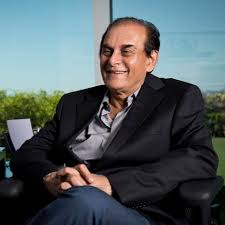
On , Harsh Mariwala, Chairman at Marico, spoke about brand creation during Citi India Conference 2026 LIVE | Harsh Mariwala On Leadership, Growth & India's Consumer Story on CNBC-TV18.

About Harsh Mariwala
Harsh Mariwala, chairman of Marico, said in a podcast that he was certain he would not work for anyone else and wanted to be in his own business. He discussed his approach to succession, stating that he appointed a professional as managing director because it was in the interest of the organization, not the family, and that the decision has paid dividends. Mariwala also said that once a company goes public, it is no longer the founder's company, as it is owned by many other shareholders. He described his relationship with his son as having been strained, and said he used "green balls"—people his wife respects who agree with his views—to influence her in family disputes. Speaking at the Citi India Conference 2026, Mariwala said that direct-to-consumer (D2C) brands pose both a threat and an opportunity to traditional FMCG companies. He noted that India's demographics are "so bad" due to rising rates of heart disease, pre-diabetes, and fatty liver disease among young adults, and said that preventive healthcare will account for 30% of Marico's capital allocation. Mariwala emphasized the importance of innovation and differentiation for creating new brands, and said the biggest deterrent to innovation is the fear of failure, particularly among management graduates who are risk-averse. He added that he spends 25% of his time on philanthropic activities, including mental health and entrepreneurship.