Daniel O'keefe on corporate governance
From Daniel O'Keefe: Morningstar International Stock Fund Manager of the Year · · WEALTHTRACK
“Now, I would criticize them for some corporate governance issues, and I'm not convinced that some of their capital allocation is necessarily so great. So the Motorola acquisition has been very difficult and they have not really articulated how that business is going to generate attractive returns to shareholders. Whether it's Android in five years, I don't know, and they just recently announced this acquisition of Nest which cost them about $3 billion, and the articulation of how that's going to create value for shareholders is not well flushed out.”

On , Daniel O'keefe, MD and Lead Portfolio Manager of Global Value & Select Equity Strategies at ARTISAN PARTNERS ASSET MGMT, spoke about corporate governance during Daniel O'Keefe: Morningstar International Stock Fund Manager of the Year on WEALTHTRACK.
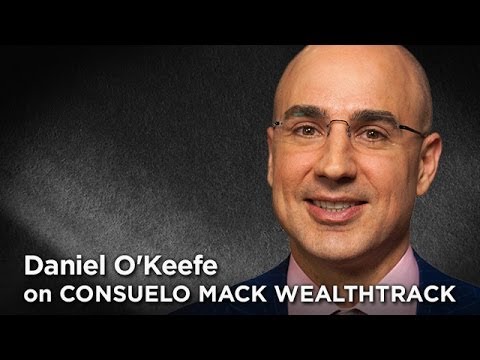
About Daniel O'keefe
In a 2014 interview, Daniel O'Keefe discussed his value investing approach, describing it as seeking businesses that are cheap relative to long-term intrinsic value, have a competitive advantage, a strong balance sheet, and a management team aligned with shareholders. He noted that after significant market gains in 2013, many bargains had been "wrung out of the market," but he found emerging markets attractive due to their low price-to-earnings multiples relative to developed markets. O'Keefe also highlighted specific holdings, including financial stocks such as American Express, BNY Mellon, ING Bank, Lloyds Bank, and Royal Bank of Scotland, which he said were added during or after the financial crisis. O'Keefe used Google as an example of distinguishing between statistical cheapness and fundamental undervaluation, noting that the firm bought it at 12 times earnings in 2008. He criticized Google's corporate governance and capital allocation decisions, such as the Motorola acquisition and the purchase of Nest, while acknowledging the strategic rationale behind investments like Android. He also discussed the risks in banks, stating that low price-to-earnings multiples do not necessarily indicate true value due to high leverage and potential credit risks.