Nithin Kamath on business strategy
From Bootstrapping Your Way to Freedom (Part 1): Nithin Kamath, CEO of Zerodha · · MONEYMINDS
“The defining point in our journey was when the National Stock Exchange of India they gave out a free trading platform for brokers in late 2000s, you know, around 2008, and the idea of Zerodha was born because we spotted an opportunity. We said if tech is coming for free, can you then go build a business and disrupt on the pricing.”
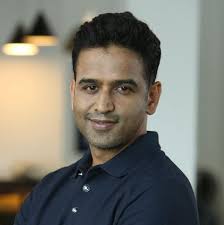
On , Nithin Kamath, Co-Founder & CEO at Zerodha, spoke about business strategy during Bootstrapping Your Way to Freedom (Part 1): Nithin Kamath, CEO of Zerodha on MONEYMINDS.

About Nithin Kamath
Nithin Kamath, co-founder and CEO of Zerodha, has been active in public discussions on a range of topics, including business philosophy, market regulation, and personal health. He has stated that he considers Zerodha an MSME and aims to remain "intentionally small," and has noted that the company has never spent money on marketing or advertising. Kamath has also commented on the Indian tax structure, arguing that it creates a "tax arbitrage" that incentivizes venture capitalists to prioritize growth and IPOs over building resilient, long-term businesses. He has said that this dynamic could lead to companies that are not resilient and may struggle in a prolonged market downturn. Regarding a public dispute with Dr. Aniruddha Malpani, who accused Zerodha of being a "scam" for limiting large withdrawals, Kamath stated that the company follows standard security procedures and that the accusations were "baseless." Kamath has also spoken about his personal journey)Skip, noting that he started trading at age 17, dropped out of engineering college, and worked odd jobs before founding Zerodha. He has discussed the importance of "right place, right time" and serendipity in his success, and has emphasized that he does not view Zerodha's founding as 2010, but rather as 1997 when he began trading. Kamath has also shared his views on investing, advising young people to avoid real estate and instead use SIPs in the market, and has stated that he is a "fairly conservative" and "pessimist" investor. He has been open about his health, including a stroke he experienced in January 2024, and has discussed his efforts to manage stress and prioritize sleep and fitness.