Hock Tan on semiconductor portfolio
From Broadcom CEO on the Biggest AI Chip Bets · · Bloomberg Technology
“We had a ribbon semiconductor for 20 years, and we've accumulated, uh, portfolio of about 17 semiconductor product divisions in specific call areas where we are literally number one, or we're not even number one, and we continue to invest. And about five, six of those divisions happen to be very important in creating AI chips and I clusters.”
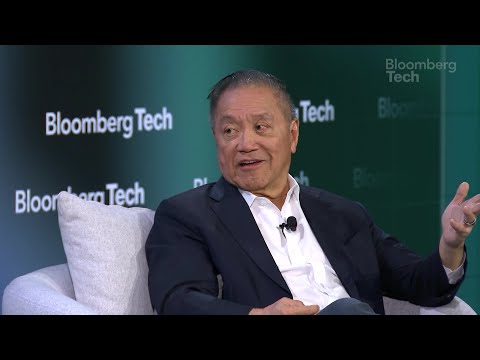
On , Hock Tan, President, Chief Executive Officer & Executive Director at Broadcom, spoke about semiconductor portfolio during Broadcom CEO on the Biggest AI Chip Bets on Bloomberg Technology.

About Hock Tan
Hock Tan, president and CEO of Broadcom, has been focused on the company's expanding role in artificial intelligence infrastructure. During Broadcom's Q2 fiscal 2026 earnings call on June 3, 2026, Tan reported that AI semiconductor revenue for fiscal 2026 was expected to reach $56 billion, an increase of approximately 180% from fiscal 2025, and reiterated guidance for AI semiconductor revenue to exceed $100 billion in fiscal 2027. He stated that demand for XPUs and networking was "insatiable," noting that bookings for AI semiconductors during the quarter exceeded $30 billion against $10.8 billion shipped. Tan also said the company's visibility extended to 2028, and described a strategic vision to deploy more than 20 gigawatts of compute capacity through 2028 with partners including Apollo and Blackstone. In interviews at Bloomberg Tech 2026, Tan discussed Broadcom's competitive position in AI chips, stating that the company had accumulated a portfolio of about 17 semiconductor product divisions, with five or six being important for creating AI chips and clusters. He characterized the demand for AI networking as "massive" and said Broadcom prioritizes products for strategic customers with sustainable, multi-generational roadmaps. Regarding mergers and acquisitions, Tan said that the organic growth from generative AI made it "very hard to choose M&A over focusing and succeeding in generative AI compute," adding that he was "too busy doing AI and VMware" to consider acquisitions.