Mark Zagorski on advertising industry
From Referee to Co-Pilot: Ad Verification in the Age of AI with Mark Zagorski, CEO of DoubleVerify · · Signal & Noise
“We have one main constituency who we serve and that is the advertiser — over 90% of our revenue comes from advertisers; there are many buying and selling platforms that do what we do but they have skin in the game, which we don't.”
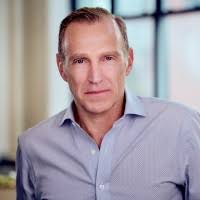
On , Mark Zagorski, Chief Executive Officer & Director at DOUBLEVERIFY HOLD INC, spoke about advertising industry during Referee to Co-Pilot: Ad Verification in the Age of AI with Mark Zagorski, CEO of DoubleVerify on Signal & Noise.
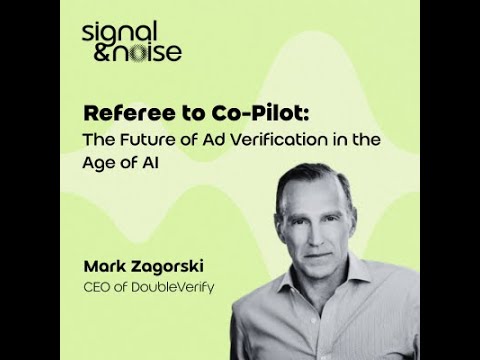
About Mark Zagorski
Mark Zagorski, CEO of DoubleVerify, has been discussing the company's expansion from ad verification into performance measurement and optimization. He described a strategy of moving "from protection to performance," citing acquisitions of Cybids, an algorithm-based optimization company, and Rockerbox, a multi-touch attribution and media mix modeling firm, as steps toward integrating verification, optimization, and outcomes measurement into a single platform. Zagorski stated that DoubleVerify's core driver is that "media quality drives performance," and that the company aims to help advertisers "know what works, what didn't, what's good quality, what's bad quality, and to get it for the cheapest price possible." Zagorski has also addressed the impact of artificial intelligence on digital advertising. He said AI is "both a great tool" for creating content and improving targeting, but also "creates challenges" such as ad fraud and the spread of disinformation. He noted that DoubleVerify uses AI to analyze content and detect fraud, and described AI-generated "made for advertising" content as "AI slop" that is safe but not necessarily suitable for brands. Regarding Netflix's ad tier, Zagorski said the platform "hits the Holy Trinity" of quality, performance, and scale, and that ad dollars are moving from traditional linear TV and other video platforms to Netflix. He also discussed DoubleVerify's investment in the adtech fund First Party Capital, saying it provides "strategic access" to innovation and that the fund's operators have "a vested interest" and "know exactly what is valuable and what's not valuable."