CEOInterviews.AI
Start App
Try: AI strategy tariffs earnings guidance layoffs interest rates growth

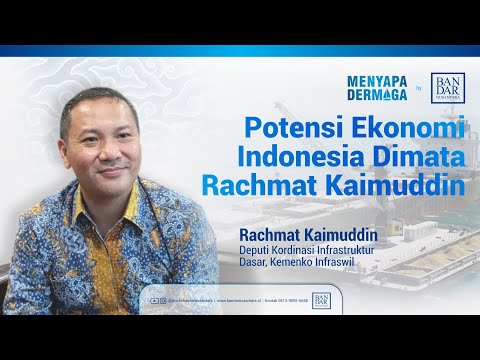
Rachmat Kaimuddin

Former CEO, Bukalapak

Search every verified Rachmat Kaimuddin interview, podcast appearance, and on-the-record quote — each transcript cross-checked by AI and human review to confirm speaker identity. Rachmat Kaimuddin, Deputy Coordinating Minister for Infrastructure and Transportation at Indonesia's Coordinating Ministry for Maritime Affairs and Investment, discussed Indonesia's energy security in two recent podcast appearances. On the podcast "The Reading Chamber," he stated that Indonesia's formal renewable energy potential is around 3,900 gigawatts, compared to PLN's current renewable capacity of less than 80 gigawatts. He noted that Indonesia produces about 3,900 million barrels of oil equivalent in total energy but consumes only 2,000, while still importing around 400 million, with 70% being oil and 15% LPG. He argued that policies should address both electric vehicles for future vehicle flow and biofuels for the existing stock of 150 million vehicles, saying it "must be both EV for future flow and biofuels for current stock, not either/or." He also described fiscal incentives provided for EVs, including government-covered 10% PPN and a Rp7 million subsidy for motorcycles. On the "What is Up Indonesia" podcast, Kaimuddin said that shifting to electrification would mean Indonesia is "not dependent anymore on imported oil." Asked about potential criminalization of technocrats in Indonesia, he responded, "I don't know why I should be. I don't feel like I'm doing anything wrong." When questioned about why local entrepreneurs are not building electric vehicles in Indonesia while foreign companies are, he said the question should be directed to local businessmen and the chamber of commerce, adding that the government's role is to provide an environment where investment is easier.

Recent appearances

Notable quotes

“The fundamental issue is that while we produce 3,900 units of energy content (mostly coal, gas, and renewables), we only use 2,000, and the rest is exported. However, we still import about 400 units, 70% of which is oil and 15% is LPG. The problem is that the energy we have in abundance must be converted into electricity, but our retail consumption for mobility and cooking relies heavily on imported energy. Unless we”

“When I was asked how to reduce our dependence on fuel subsidies that affect the state budget, I proposed two ways. One was to use the Omicron lockdown to reduce consumption, which was rejected. The other was to find mobility solutions that don't depend on fuel, specifically battery electric vehicles. We used fiscal incentives like covering the 10% VAT and providing subsidies for motorcycles to achieve capital expendi”

“The basic philosophy is that for a country as large as Indonesia, we must secure the key commodities: food, energy, and water. Regarding energy, we actually have a lot, both produced and potential. Specifically for renewable energy, our formal documents show a potential of around 3,900 gigawatts. In contrast, PLN's current capacity for renewables is less than 80 gigawatts, and even including all coal and other source”

The summary and quote tags on this profile are produced with AI assistance from verified, first-person interview transcripts, then checked by our team to confirm the speaker's identity and the accuracy of every quote. See how we verify →