CEOInterviews.AI
Start App
Try: AI strategy tariffs earnings guidance layoffs interest rates growth

Shlomo Kramer

CEO & Co-Founder, Cato Networks

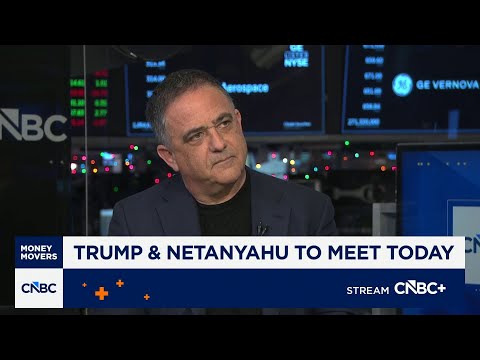
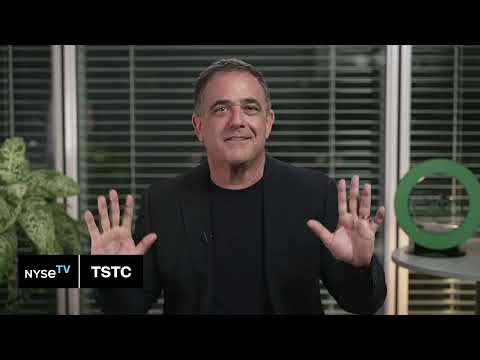
Search every verified Shlomo Kramer interview, podcast appearance, and on-the-record quote — each transcript cross-checked by AI and human review to confirm speaker identity. In a June 2026 interview with RiskIntel Media, Shlomo Kramer described the current state of cybersecurity as a "watershed event" driven by machine-based attackers. He stated that the threat landscape is undergoing a "complete revolution" and argued that defenses need to be refactored accordingly. Kramer said that the emergence of models like "Methuselah" and open-source Chinese models indicates that this shift is coming regardless of any single development, and he cited a recent agentic attack on the Mexican government as an example. Kramer also discussed the SASE model, predicting that 60% of enterprises will begin moving to SASE within three years and that the market will see far fewer appliances in seven years. He said that SASE platforms built on a network platform will benefit from this transition. Kramer recounted an incident in which a company's entire infrastructure was wiped out overnight, and Cato Networks rebuilt its network and security across 50 countries in under four weeks. When asked about the most promising future technologies in cybersecurity, Kramer replied "AI, AI, and AI."

Recent appearances

Verified interview transcripts

Notable quotes

“My belief is that the future of cyber security is in platforms. Cisco needs to choose three or four important platforms — an endpoint platform, a network platform like Kato, a cloud platform like Wiz, perhaps an identity platform like Microsoft or Okta — and make sure they work well together.”

“AI is obviously a big threat in cyber security and also a big promise. It's a threat because it's a completely new layer that is very very different than all the other layers, and you need to develop a completely new cyber security stack to provide kind of the posture management protection detection response cycle.”

“The most dangerous thing in AI is people not knowing what's true or false, becoming confused and defaulting to what feels consistent, which can fracture societies. This could reverse what the scientific revolution created by moving us toward a faith‑based society.”

“AI continues the journey to blur our ability to distinguish between what is true and what is false, and that creates a huge rift in society while also enabling more sophisticated fraud, including financial fraud.”

“Why are nation-states not protecting me against cyber attacks, or at least participating in a constructive way in protecting me?”

The summary and quote tags on this profile are produced with AI assistance from verified, first-person interview transcripts, then checked by our team to confirm the speaker's identity and the accuracy of every quote. See how we verify →