
Kenneth D Crews Charleston Conference 2018 Penthouse Suite Interview
Ken Crews, Attorney for Gipson Hoffman & Pancione, talks at length with humor and experienced insight about copyright law in ...
Corporate Vice President & CFO, Northrop Grumman
Search every verified Kenneth Crews interview, podcast appearance, and on-the-record quote — each transcript cross-checked by AI and human review to confirm speaker identity. Kenneth Crews, an attorney with Gipson Hoffman & Pancione, discussed copyright law in a 2018 interview. He stated that copyright is "instant and automatic" upon creation and that authors are copyright owners from that moment. Crews advised authors to negotiate publishing contracts, noting that publishers often have alternative agreements for those who request modifications. He also said that fair use is "the best thing for librarians and their users" and that courts have been extending fair use to different types of works, including visual images. Crews cited the Georgia State e-reserves case as clarifying that old word-count guidelines for fair use can be set aside in favor of focusing on the four fair use factors. Crews commented on the role of library copyright officers, saying they face pressure to act as university legal counsel but should instead focus on educating faculty to make their own decisions. He predicted that future copyright law will be increasingly shaped by international agreements and negotiated consortia agreements, with Congress relying on stakeholders to draft licensing provisions. Crews encouraged library copyright officers to become negotiators and get involved in legislative discussions to ensure library interests are represented.
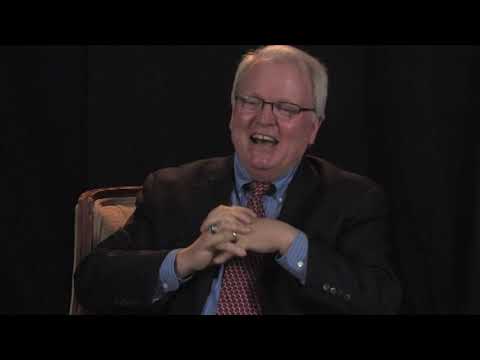
Ken Crews, Attorney for Gipson Hoffman & Pancione, talks at length with humor and experienced insight about copyright law in ...
Sign in to search the full transcript archive, filter by topic, and access every quote from Kenneth Crews.
The summary and quote tags on this profile are produced with AI assistance from verified, first-person interview transcripts, then checked by our team to confirm the speaker's identity and the accuracy of every quote. See how we verify →
Pro unlocks every transcript in full, plus unlimited search across every executive and company we cover.
50% off appliedPulling data at scale? The Data API gives you 30,000 transcripts a month over REST, MCP and JSON.
Compare all plans