CEOInterviews.AI
Start App
Try: AI strategy tariffs earnings guidance layoffs interest rates growth

Nitin Nohria

Chairman of the Board, Exor N.V.

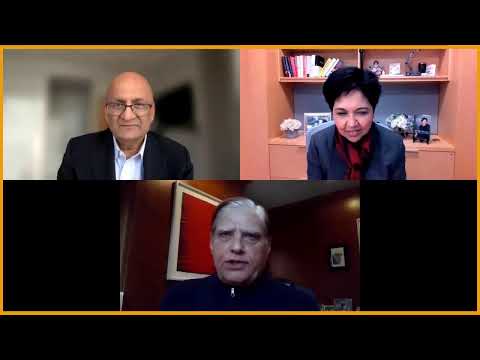
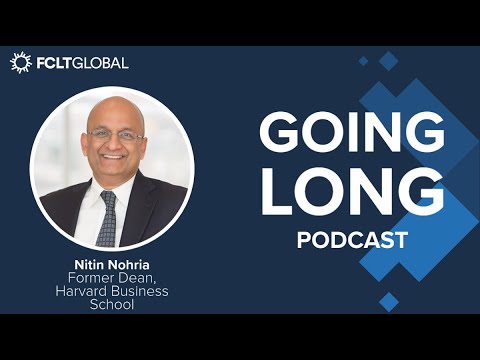
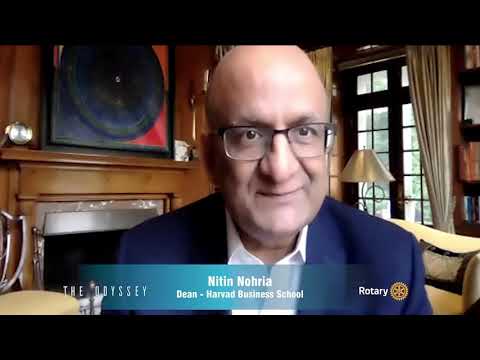
Search every verified Nitin Nohria interview, podcast appearance, and on-the-record quote — each transcript cross-checked by AI and human review to confirm speaker identity. Nitin Nohria, chairman of Thrive Capital and former dean of Harvard Business School, discussed his book *The CEO: The Role, the Reality, the Responsibility* in two recent appearances. In an October 2026 conversation with Larry Gennari at the Authors and Innovators event, Nohria drew on his three decades of experience running Harvard's new CEO workshops, which involved more than 500 CEOs, to discuss leadership challenges. He said that CEOs face a risk of receiving filtered information, as subordinates may delay bringing bad news, and cited GE's Larry Culp as an example of a leader who sought unfiltered truth by visiting factory plants. In a September 2026 discussion with Bharat Anand of NYU Stern, Nohria described the book as the culmination of a personal journey that began with his father's role as a CEO. Nohria offered several observations about CEO behavior and tenure. He stated that the first three years are the most dangerous for CEOs, as boards typically give them about 18 months of benefit of the doubt before expecting visible results, and that CEOs who survive this period often stay for an average of six or seven years. He also said that CEOs must be intentional and strategic in their communication, noting that what they choose not to say matters as much as what they say. On succession, Nohria said CEOs often fail at leaving gracefully, rationalizing that their successor is not ready or that one more achievement is needed, and he cited Bill George's view, based on George Washington's example, that CEOs should serve about ten years.

Recent appearances

Notable quotes

“The job is such a demanding job, and so many people ask for your time, that the temptation is to give the time to the people who ask for it the loudest. Of course, most CEOs recognize that in order to get the work done inside the company, they have to work through others. So, spending time with their own senior leadership team, the next 100 people, doing performance reviews with business units, with functions, is an ”

“The most dangerous time for CEOs is the first three years, when they're very much under the spotlight, and while most boards are willing to give CEOs the benefit of doubt for about the first 18 months, then they expect to see some visible signs of results. So, what you see is that when CEOs get fired, they tend to get fired in the first three years. If they survive the first three years, then they usually stay for an”

“India has already established that it is capable of doing that. It's capable of making any existing product in the world in a truly cost competitive manner. We can compete with anybody in the world when we do that. But we have to now make the next thing that nobody can imagine. We have to invent the next set of products and services for the world.”

“The art of being a good business person is to find a way through this paradox, which is to recognize that you can run a business that makes a decent profit because if you don't, you're not running a good business. But you should be able to run a business that makes a decent profit decently.”

Other executives at Exor N.V.

The summary and quote tags on this profile are produced with AI assistance from verified, first-person interview transcripts, then checked by our team to confirm the speaker's identity and the accuracy of every quote. See how we verify →