Chief Compliance Officer, American
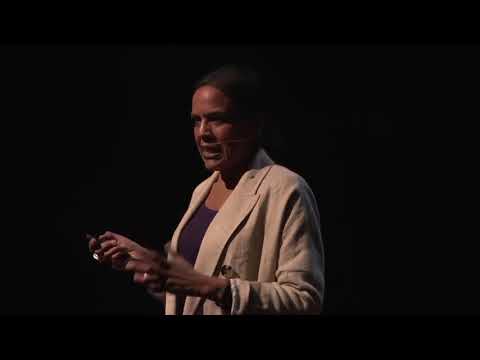
Search every verified Karen Nelson interview, podcast appearance, and on-the-record quote β each transcript cross-checked by AI and human review to confirm speaker identity. Karen Nelson, a microbiologist and professor, has given talks on the human microbiome and attention research. In a 2018 TEDx talk, she described microorganisms as essential to human survival, noting that they account for more than half of Earth's biomass and reside in extreme environments. She stated that she sequenced the first human microbiome and discussed how microbes in the gut, skin, and oral cavity educate the immune system and are being investigated for correlations with diseases such as autism and schizophrenia. Nelson also mentioned that microbial signatures are being used in forensics to trace the origin of human trafficking victims and that commercial endeavors are using these signatures for new diagnostic approaches. In a 2020 talk, Nelson presented findings from a three-year study on attention, conducted through her commercial business that builds technology for data collection. She argued that traditional advertising impressions do not capture visibility or attention, and that attention varies considerably between platforms due to differences in screen coverage. Nelson advocated for a change in advertising currency, stating that low visibility can affect whether a brand is seen, and that time on screen helps attention even if the viewer does not look directly at the ad. She also noted that attention and memory are not the same thing, and that distinctive assets like colors and logos should be placed at higher attention peaks.
“They are estimated to account for more than half of Earth's biomass; they reside in extreme environments β spacecraft, airplanes, acid leaks, alkaline lakes β you name it up for microbial species.”
“We still estimate that we can only culture about one to two percent of all the microbes on the planet, but we have sequence technologies whereby we are able to look at all the genetic information of these microbes and understand what they're able to do.”
“One of my biggest claims to fame is that I sequenced the first human microbiome.”
“All of you are carrying about three pounds of bacteria with you β they live in your gut, on your skin, in your oral cavity β and as much as you try and get rid of them, they're there for a purpose.”
“The microbes that live in and on the human body are very important for educating our immune system; they're even showing relationships between the microbes in our body and stress and mental health β diseases like autism, schizophrenia are being investigated for correlations with microbes.”
“We know that they're huge commercial endeavors springing up globally to start using these microbial signatures associated with the human body in the development of new diagnostic approaches β this whole field is going to push the concept of personalized health.”
“We're actually using microbial studies in forensics β looking at microbes associated with very ancient pieces of art to ask who touched them, how long a fingerprint has been on a piece of art, and even using microbial signatures to trace which country a human trafficking victim had been in within the last 30 to 60 days...”
“All of you have heard about new pathogenic species that are cropping up all over the world β we don't understand how these organisms do it, we don't understand the selective pressures that make them become more dangerous in nature, but by sequencing genetic information we're starting to get an understanding of how orga...”
“When you look at hunter-gatherer groups like the Ba'aka who forage for their food, their microbiomes are actually more similar to non-human primates compared to agriculturalists or people in the West exposed to processed foods and antibiotics.”
Dr. Karen Nelson will introduce you to the Microbiome. Having evolved with mammal and human species for millions of years and helping us create the intricate system taht is the human body, or better, the human Microbiome, this environment of complexity implies a re-evolution of the way we approach significant matters such as medicine and public health. Dr. Karen Nelson is a Jamaican-born American microbiologist noted for her research on Thermotoga maritima at The Institute for Genomic Research (TIGR) which demonstrated the existence of horizontal gene transfer. Her team published the rst everβ¦
Sign in to search the full transcript archive, filter by topic, and access every quote from Karen Nelson.
The summary and quote tags on this profile are produced with AI assistance from verified, first-person interview transcripts, then checked by our team to confirm the speaker's identity and the accuracy of every quote. See how we verify →