CEOInterviews.AI
Start App
Try: AI strategy tariffs earnings guidance layoffs interest rates growth

Scott Kupor

Director; formerly Managing Partner, Andreessen Horowitz, Us Office Of Personnel Management

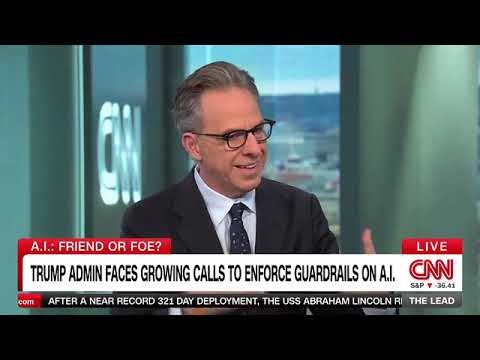
Search every verified Scott Kupor interview, podcast appearance, and on-the-record quote — each transcript cross-checked by AI and human review to confirm speaker identity. Scott Kupor, Director of the Office of Personnel Management (OPM) and Vice Chair of the White House Super Intelligence Task Force, has recently announced a final rule eliminating time-in-grade restrictions for federal promotions. In an interview with Federal News Network, Kupor described the previous 12-month requirement as an "arbitrary time limit" and a "gatekeeper," stating that the change is part of a broader merit hiring program aimed at assessing employees based on functional skills and demonstrated performance. He also noted that the rule includes a 30-day implementation period and that he does not yet have a forecast for how widely agencies will use faster promotions. Kupor has also been active in discussing the Super Intelligence Task Force, which he said has a "dual mandate" to maintain U.S. leadership in the technology while addressing risks. He has argued against pausing or slowing AI development, stating that doing so would benefit adversaries like China, and has emphasized the importance of holding model providers accountable through third-party audits and government oversight. In other appearances, Kupor discussed OPM's efforts to reduce fraud in federal health plans, the expansion of the Tech Force program to recruit technologists, and changes to federal performance management, including a new force distribution system that limits the number of employees rated at the highest levels. He has also stated that OPM is consolidating HRIT systems, projecting a cost reduction from $2 billion annually to $40 million.

Recent appearances

Verified interview transcripts

Notable quotes

“Yeah, I mean, first of all, yeah, you may not be surprised to hear that we have a different view from those comments and obviously that's why we go through the process, but ultimately why we decided the rule was appropriate. Look to me this is about actually managing performance and the reality is not all employees perform at the same level and I think for any organization it's totally fair and reasonable as long as ”

“Yeah. So, this is really kind of part and parcel of the broader merit hiring program obviously that the president set out back in the original EOS from now I guess last year, last calendar year. And the way we think about merit hiring generally is are we actually assessing people based on their functional skills and their demonstrated performance in the event obviously that they're already in the employment of the fe”

“Well, I think I I think you can do both things. So look, you're absolutely right, which is the power of this will be that over time, you're right, the recursive nature of the idea that it can learn from mistakes, uh, will continue to evolve the technology. Joe, look, you've been around a long time, as you probably know. Look, many technology industries develop in this area, which is the early stages of these companie”

“Look, I think you're right. Look, water and energy and we've seen this already even in the data that's come out. So, there's no question that whatever concerns that traditionally there were on energy usage, water uses, all those are going in the right direction, meaning the technology continues to improve and will reduce those. But Joe, to be completely honest, I think this is the most uh kind of easy part of the pro”

“What Elon recognized is you can't be incremental when you're trying to turn like a 7 trillion oil tanker basically, right? You have to actually make real change. And what Elon did was like we need to actually go in there and make change. So we had to invent something that they invented called the deferred resignation program called DRP, which is it's extremely difficult to actually get rid of people in the government”

“We have a fundamental systems problem in the federal government. The incentives are hire more people for every problem. Don't actually hold people accountable. Don't differentiate performance in terms of how what people contribute to it. Never take risk because god forbid you should get a GAO report or inspector general report or you should get a hold in front of congress. And so a lot of what we're trying to do is a”

The summary and quote tags on this profile are produced with AI assistance from verified, first-person interview transcripts, then checked by our team to confirm the speaker's identity and the accuracy of every quote. See how we verify →