From our standpoint and from my standpoint, we want this administration to succeed. When this administration succeeds, the country does well and business does well.
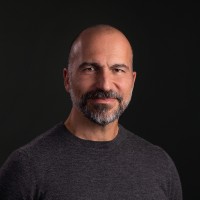
Uber CEO Dara Khosrowshahi at Davos for the World Economic Forum. A behind-the-scenes look at what's next for Uber, from the CEO's personal donation to President Trump's second inauguration to Uber's big push into electric vehicles.
The fact is with EVs is that they are actually a great product. And so we see EVs in our fleet growing. Our drivers are moving over to EVs about five times faster than the general public. Their passengers love them.
But it's not just about government subsidies. Khosrowshahi is clear that the future of EVs at Uber doesn't depend on it. We don't need subsidies for EVs to succeed at Uber, and we continue to increase them because they're actually a really good product. And of course, they're good for the environment.
And if you think self-driving cars are still years away, think again. I think that the technology will be ready for prime time between now and two years from now. It's moving very quickly, especially with some of the newer generation companies. The commercialization of EVs is going to take much longer.
I'm CNBC producer Katie Kramer. Squawk Pod reports from Davos. Uber CEO Dara Khosrowshahi begins right now.
Picture it: Switzerland, the snowcapped Alps on the ground in Davos. Andrew Ross Sorkin was joined by one of the most influential leaders in tech and transportation, Uber CEO Dara Khosrowshahi. Uber has not only revolutionized the way we get around, but it has expanded into food delivery, freight services, and autonomous vehicle development. Not to mention, it's the rare company that became both a noun and a verb. But what does Uber's future look like under another Trump administration? It could be a bit of a mixed bag.
In the first hours after his inauguration Monday, President Donald Trump signed an executive order rolling back the ambitious electric vehicle targets set by the Biden administration. The move revokes a 2021 executive order aiming for EVs to make up 50% of new cars by 2030.
We will revoke the electric vehicle mandate, saving our auto industry and keeping my sacred pledge to our great American auto workers. In other words, you'll be able to buy the car of your choice. We will build automobiles in America again at a rate that nobody could have dreamt possible just a few years ago.
Policies on environmental issues like rolling back emissions targets and EV tax credits could slow down Uber's goal for a more sustainable fleet on the road. On the other hand, Trump's deregulatory stance on the gig economy could help Uber keep its business model intact, avoiding costly employee benefits for drivers. What else? There's still the challenge of congestion pricing in cities like New York, where it launched earlier this year. Uber could face higher fares and fewer riders in certain zones.
This interview you're about to hear was recorded on location in the Swiss Alps. No Uber needed, we got you covered. Here's Andrew Ross Sorkin.
President Trump's recent executive order could pose some challenges, we'll see, to electric vehicle mandates, potentially impacting Uber's ambitions to meet its zero emission goals. That's one of the topics we're going to talk about with Dara Khosrowshahi. He's Uber's CEO, and it's great to see you, sir. In from Washington, you were one of the few CEOs who made it to both... Yes, yes, both very important events, and I wanted to make both. Before we even get to EVs and everything else, I'm just curious. You threw a big party, you were at the inauguration. I heard it was the best party in town, but I'm not sure. Uber gave a million dollars to the inauguration, yes? And you personally gave a million dollars to the inauguration, yes? You had not done that before. Now Uber had done that with Biden, yes. But I'm curious about your personal decision to do that. And I will note, I was thinking of Tony West, who is your great legal officer, brother-in-law of the vice president who lost the election. What was that conversation?
Well, listen. From our standpoint and from my standpoint, we want this administration to succeed. When this administration succeeds, the country does well and business does well. And we have a very broad envelope in terms of consumers, in terms of drivers, and we want to support as it relates to the administration, and we want to engage with the administration on things that our drivers care about in terms of the cost of living, in terms of access to transportation and vehicles, etc. And it's a beginning, hopefully of a dialogue.
What do you think, though, of this larger conversation people are having about the role of CEOs being engaged and involved in this administration unlike any other in a very long time?
I think that having a voice as it relates to the future of the country and the economy is a positive, right? When the economy does well, the country does well. We're an economy that is the envy of the world, and I think that a big part of that are the CEOs and the leaders who are making the everyday decisions. And having a strong relationship and an open communication channel with the administration I think is very healthy.
What happens when the president does things that you don't like? And I'm thinking about these EV mandates and what may happen to them given where you are and where he is.
Listen, those are his decisions, right? And so we work with every administration, and there are certain decisions that any administration will make that we agree with and some that we don't agree with. The fact is, with EVs, they are actually a great product. And so we see EVs in our fleet growing. Our drivers are moving over to EVs about five times faster than the general public. They're great cars. Our riders, our passengers love them, right? So the economics is working, which is if you build a great product, then the marketplace will take care of it, and EVs will continue to be a higher and higher percent.
What happens if this gets repealed? I say the tax credit, the EV tax credit. Likelihood of getting repealed, what does that do to the ambitions that you've set forth?