
Michael Szabados - My digital journey from microprocessors to the cloud
Guest: Michael Szabados, COO of NetScout Title: "My digital journey from microprocessors to the cloud" Moderators: Adam ...
Vice Chairman & Chief Operating Officer, Netscout
Search every verified Michael Szabados interview, podcast appearance, and on-the-record quote — each transcript cross-checked by AI and human review to confirm speaker identity. Michael Szabados, Vice Chairman and Chief Operating Officer at Netscout, discussed his career and perspectives on technology in a 2017 interview. He described his early experiences in Silicon Valley, including working with figures like Steve Jobs, and reflected on the evolution of the internet from its early days when a phone directory listed every user. Szabados commented on the history of Intel, stating that the company was "forced into a different direction" by Japanese dominance in the memory market, leading to its success with microprocessors. He also noted that Microsoft "did a damn good job keeping its position" against competitors like Apple and IBM. In the interview, Szabados addressed several contemporary industry issues. He described the cloud as "not a new innovation per se but a culmination of many pieces coming together" that is changing IT operations. Regarding 5G, he said the telecom industry is "struggling to get a return on investment" because over-the-top players like Netflix use bandwidth without paying for infrastructure. He characterized net neutrality as a regulation that "prevents internet service providers from differentiating service speeds or prices," which he argued "limits investment incentives." Szabados also noted that bandwidth has become a commodity and that security threats like DDoS attacks have become "very popular and impactful." He suggested that future innovations may be "social and psychological" rather than purely technological.
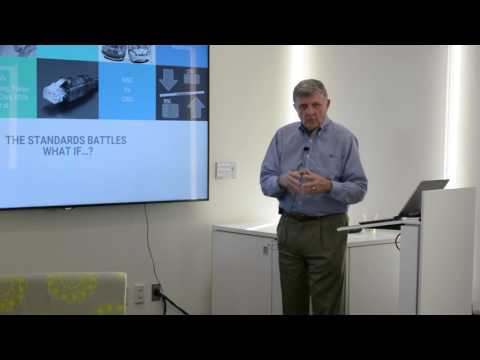
Guest: Michael Szabados, COO of NetScout Title: "My digital journey from microprocessors to the cloud" Moderators: Adam ...
Sign in to search the full transcript archive, filter by topic, and access every quote from Michael Szabados.
The summary and quote tags on this profile are produced with AI assistance from verified, first-person interview transcripts, then checked by our team to confirm the speaker's identity and the accuracy of every quote. See how we verify →
Pro unlocks every transcript in full, plus unlimited search across every executive and company we cover.
50% off appliedPulling data at scale? The Data API gives you 30,000 transcripts a month over REST, MCP and JSON.
Compare all plans