Back
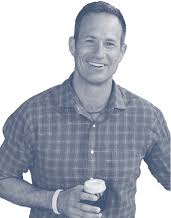
Samuel Calagione
Founder, Brewer of Dogfish Head & Director, BOSTON BEER INC -CL A

Dogfish Head Craft Brewery (Sam Calagione)

🎥 May 26, 2026 📺 The BrewedAt Podcast ⏱ 54m 👁 25 views
Host Richie Tevlin and Co-Host Evan Blum talk with Sam Calagione, co-founder of Dogfish Head Craft Brewery. Opened in 1995 in Rehoboth Beach, Delaware, Dogfish Head began as the smallest commercial brewery in the United States and grew into one of the most celebrated and innovative craft breweries in the country. Dogfish Head is based in Delaware with a brewpub and distillery, a seafood restaurant, a harbor-front beverage-themed motel, and a production brewery and tasting room in Milton. Sam served as CEO until the brewery's merger with Boston Beer Company in July 2019, and his innovative styl...
Watch on YouTube

About Samuel Calagione

Sam Calagione, co-founder of Dogfish Head Craft Brewery and a director at Boston Beer Company, has been active in several podcast interviews discussing the company's history, current market trends, and future plans. In a May 2026 interview, he described how he wrote the brewing and distilling statutes for Delaware after discovering it was illegal to open a brewery in the state, and noted that Dogfish Head's Milton facility now serves as the research and development hub for all of Boston Beer. He also discussed the company's 2019 merger with Boston Beer, stating that the portfolios were "more complimentary than competitive" and that the cultures aligned around a "people first" approach. In subsequent appearances, Calagione addressed industry challenges and innovations. On a June 2026 podcast, he mentioned that Dogfish Head is testing a new whiskey line through select beer wholesalers in coastal states, and observed that craft breweries with excess capacity are increasingly considering mergers with one another. He also commented on consumer behavior, noting that higher gas prices are affecting sales in convenience stores and that the price gap between on-premise and off-premise beer has become more pronounced. Calagione reiterated the company's founding philosophy of "original beer, original food, original music" and said that Dogfish Head continues to engage customers through grassroots marketing and education rather than traditional advertising.

Source: AI-verified profile updated from Samuel Calagione's recent appearances. Browse all interviews →

Transcript (143 segments)
U
Unknown0:00
Hey, brewery or small business owner. At the Beer Accountant, they understand the unique financial challenges of the craft brewing industry. Are you tired of navigating complex brewery accounting and taxes on your own? Staying up late working on financials, and getting your finances in order after a whole workday? They're a CPA dedicated to helping breweries like yours thrive with services ranging from qualified bookkeeping, business tax prep. Stop wasting time on spreadsheets and focus on what you do best, making great beer and running a small business. The Beer Accountant is led by Patrick McDonald, a CPA for 14 years. They are also the official CPA of the Brewers Association, servicing over 50 breweries in four states. If you own a brewery or small business, stop overpaying for reactive support and start being proactive with the Beer Accountant. Don't brew that IPA without this CPA. Visit beeraccountant.com to learn how their specialized expertise can help your brewery grow, profit, and succeed. That's beeraccountant.com.
T
Ted Zeller1:01
Are you a brewer looking to open, grow, or plan your next move? I'm Ted Zeller, liquor law attorney at Norris McLaughlin. I've spent my career working with breweries, helping them navigate the regulations that come with this industry at the municipal, county, state, and federal levels. From first permits to expansion into new markets, my team serves as legal counsel on licensing, compliance, and distribution. If you're ready to plan your next move or need legal guidance, I am here to help. Feel free to call me at 484-765-2220 or email me at [email protected].
S
Samuel Calagione1:42
George Hmel, not only was Home Sweet Home... I want to ask you about this, the story of you boating across the Delaware.
U
Unknown1:50
Mhm.
S
Samuel Calagione1:51
Was that George the reporter that was the only... Yeah, he was one of like three people that he and Nancy showed up. One other just beer lover somehow heard about. So like three people showed up at my first... after I rode... I built a boat and I rode our first six-pack across the Delaware, 18 nautical miles. As I get into the bar at Cape May, my beer's dusty and warm behind the bar. The posters I sent are still rolled up in a scroll behind the bar. Nobody showed up. But George wrote about it for Mid-Atlantic Brewing News. And then somehow USA Today saw that story. And then Levi's reached out to me because they saw my photo in the USA Today story like, 'Would you model in this campaign we're doing?' So even though only three people showed up, it actually really helped get Dogfish, you know, on the map.
U
Unknown2:46
Welcome back to the Brewed podcast. This is episode 100.
Yeah, this is a fun journey. Triple digits, boys.
Yeah, we've made it. So Richie Tavlin and Evan Blum.
Hello. Hello.
So today we have a very special guest, Sam... I'm sorry, I pronounced...
S
Samuel Calagione3:01
Calagione, full of baloney.
U
Unknown3:03
Okay, awesome. Thank you. We've heard from the man. I probably pronounced it like three different ways, but thank you. So, very special episode. I've told this story before, but I think you're the reason why a lot of people have gotten into the industry, kind of what you did with Dogfish Head and kind of like how you speak and you talk and you write about beer. When I was in college, I went to Penn State. I think that you are part of the curriculum now of the business school at Penn State.
S
Samuel Calagione3:27
Wow.
U
Unknown3:29
Because as I was going through your book, Brewing Up a Business had just come out and all my professors, it was like part of the reading material, right? Because we were like learning about different things and they were like, 'What was your major that the classes were?' Business management. And it was kind of like, you know, what is happening and we were like reading your book as far as like, you know, things that were happening in class relating it to your book. I think my professor just really liked you and Dogfish so like that's why he pushed it on us. But it was like the first book that like really spoke to me. And I was just like, I knew I wanted to open up some sort of business, but like the way that you were kind of writing about beer and the way you were explaining about how you built your business was very interesting to me and then I just got a little bit more into it, a little bit more into it and now I've just kind of made a career about it. So this is cool to actually meet you and talk to you about it.
S
Samuel Calagione4:13
It's very heartwarming. So thank you. And certainly ours is an industry built upon relationships and inspiring mentors since it's a relatively young community, like 40 years for craft beer in America. But so similarly, I was inspired by Ken Grossman from Sierra and Jim Koch from Sam Adams. So, Michael Jackson, the beer writer who spent a lot of time here in Philly. So I had my mentors that inspired me. So, I'm proud to be one of the ones that got to inspire you.
U
Unknown4:45
Cool. So, I want to kind of get in, we'll kind of frame the conversation around the book because that's how I know you. But in your book, well, I guess we'll start off with you in high school.
S
Samuel Calagione4:56
Yeah.
U
Unknown4:56
The book was interesting to me for many reasons, but like I feel like a quarter of the book was you talk about high school, which is funny for a craft brewery, but that seems to like be something that shaped you or was that just kind of like... I know that's where you met Mariah.
S
Samuel Calagione5:08
Yep. And but it was a different type of high school.
U
Unknown5:13
Yeah. Has that kind of shaped... like was your family like that before or was it like kind of really the high school?
S
Samuel Calagione5:20
You know, my parents had an incredible work ethic. I grew up in West... I was born in Queens, New York City, but I moved when I was a year and a half old. But I still proudly say born in NYC and I'm here in the sixth burrow, although Philly doesn't like to be called that I don't think. But we moved to Western Mass and yes, I went to this high school out there that was four miles from my house but it had both boarding students and day students. So I was a day student and it's called Northfield Mount Hermon. My wife Mariah who co-founded Dogfish with me was a boarding student because she was from coastal Delaware. But the school itself is very unique, unlike traditional New England prep schools or like a Lawrenceville in this neck of the woods. It was founded by a minister and it was founded for kids of great talent but no financial means. So they would go into mostly Boston, New York and identify through the churches these really talented, hardworking kids with no money. And so the school didn't charge anything. But you had to work your ass off there. It was a working farm. You shovel the coal for the steam system. You clean the dishes in the dining room, prep the food. So the mission was educating the head, the heart, and the hand because they also expected you to take your education and bring it back to your communities and help them, you know, improve. And so that was dear to Mariah and I, that concept, and we really did apply it to Dogfish. The work ethic, as you guys know, in a small company, you got to wear a lot of hats. It's not a nine-to-five job. And then that'd be the head. The head would be like the academics and the recipes and the branding, but then the hard work ethic would be the hand. And then the heart was giving back to the communities that give your sustenance. So the case of Dogfish, the arts community, environmental causes, we've given over a million dollars to the Nature Conservancy. So we've kind of played the playbook of our high school to grow and define our entrepreneurial brand.
U
Unknown7:22
Yeah. Like Mariah went there, too. So she had the same upbringing as you kind of through the same high school.
S
Samuel Calagione7:26
Yeah. But the difference is she graduated. I got kicked out in March of my senior year. So I'm one of the few people that never actually graduated from high school, but somehow Muhlenberg College up the road from here in Allentown still let me in. They were kind of like, I think they were like, 'Is he a full pay kid?' And my dad was a tooth doctor so he could pay. They're like, 'Ah, screw it. We'll take him without a high school degree.' But my mom and dad were big influences as well. My mom was a special needs teacher and taught me to love storytelling and reading and bought me any books I wanted, comic books or whatever growing up. So, she kind of fueled that storytelling love whereas my dad fueled that entrepreneurial interest.
U
Unknown8:06
Mhm. It kind of reminds me of like, I know the Northeast, like self-reliance, like transcendentalism where it's like you were kind of doing everything and I was kind of getting the energy from your high school that was like kind of like the same type of energy like you're doing everything yourself. You're relying on yourself. You're writing your own story and I thought that you've been able to like talk kind of talk about yourself throughout your whole career. Like has that always been a part of your story? Like were you kind of writing it as you were going?
S
Samuel Calagione8:36
Yeah, I mean I would say, you know, when I went to Northfield Mount Hermon, that's kind of when I fell in love with storytelling and kind of started trusting my creative instincts. And first-time teachers are like, 'You're a really good storyteller, but in your short stories and blah blah blah, but you're using your powers for evil on campus. You're coming up with these stupid ideas, getting kids in trouble. You have leadership capabilities, but you're leading them towards disaster.' And then in college I kind of honed that a little better and focused on creative writing. Day after I graduated from college, I moved back to New York City with a goal of being a writer and I started taking classes at Columbia in their MFA program. But to earn my rent, I worked at a first-gen craft beer bar in the mid-90s, kind of like maybe the equivalent Monks would be today in Philly for the Upper West Side. There was a place called Nacho Mama's Burritos, which doesn't sound like a beer bar, but the owner was only like four years older than me, and that's where I cut my teeth on Sierra, etc. And that's where I started to see that I was a good writer in that Columbia cohort, but I was not world class to write poetry or novels. But I saw that I could maybe apply my love for storytelling to try and write stories of unique, creative beers and a business plan and tell the stories of a brand. And that's really what I shifted direction and started working on the business plan for Dogfish. To your point in the transcendentalist, the first page of the business plan was a quote from Emerson that's still writ large on all of our different buildings. I won't read it all, but at the heart it's about going on this exploration of goodness instead of following the status quo. Because the second page of the business plan said, 'Dogfish Head is committed to being the first commercial brewery in America to brew the majority of our beers outside the Reinheitsgebot using culinary ingredients.' And that was true when I was writing the business plan as a 23-year-old. And it's still true today as a top 30 craft brand that the majority of our beers are brewed with ingredients outside the Reinheitsgebot.
U
Unknown10:35
So, I know like your first craft beer was this cherry with some cherry beer.
S
Samuel Calagione10:40
Cherry Wheat. Yeah.
U
Unknown10:41
Do you think that just brewing that beer had this idea that you wanted to use different ingredients, but like what was the idea of using different crazy ingredients and different techniques and everything?
S
Samuel Calagione10:52
Yeah, that was the first, that was the epiphany moment. I was walking home from buying a homebrew kit in 1990, and myself and the owner of that bar went to the same old store in New York called Little Shop of Hops that sold brewing equipment and he walked to the Upper West Side where he lived. I walked down to Chelsea where I live with my roommates. And on my way, as I was walking into Chelsea from Midtown, there was a bodega selling half-priced cherries that were all mushy with flies all over them. And I was like, 'Fuck it. I'm going to buy those and squish them into the pale recipe I just bought.' And the beer turned out beautifully. My next two batches sucked, as home brewers listening. But I stood up on my coffee table as we drank the first homebrew and told all my roommates, 'This is what I'm going to do with my life. I'm going to open a brewery.' And they're still my best pals.
U
Unknown11:41
So, weren't they like... weren't they like actors or something?
S
Samuel Calagione11:43
Yeah, they're all... they were when we were living together in New York, they were just starting a show called The State on MTV, which was a comedy show on MTV, but they've... David Wain and Ken Marino, Joe Lo Truglio, the short cop on Brooklyn Nine-Nine. Those are all my roommates, and they were there that night I first served the beer. And we stayed great friends.
U
Unknown12:05
And were they in Columbia with you or how...?
S
Samuel Calagione12:06
They all met at NYU.
U
Unknown12:08
Okay.
S
Samuel Calagione12:08
And then I moved there the year after they... and I graduated right after. And we all got, you know, apartments together.
U
Unknown12:15
Yeah. Awesome. And then how long did it take you from like you home brewing to like writing the business plan then moving down to Delaware? Is that a couple years?
S
Samuel Calagione12:24
It took me two years from when I wrote the business plan in New York till when we opened in Delaware.
U
Unknown12:31
Okay.
S
Samuel Calagione12:31
So I think I was 25 when I opened Dogfish and 23 when I decided that I started writing the business plan.
U
Unknown12:37
Yeah. And you guys started off as a brew pub, right? You guys were making food.
S
Samuel Calagione12:41
Yeah. And still are. And so we, you know, kind of the holy trinity from day one was original beer, original food, original music.
U
Unknown12:48
Yeah.
S
Samuel Calagione12:48
So, you know, like a lot of ours here in Philly or certainly at the beach, there's a lot of cover bands and we wanted to stand out from that. So, we would book, you know, we would find these random... I was big music, had DJ in high school and college. So, I'd find these bands that I loved and sometimes they would crash and burn, suck or not show up or whatever. And sometimes... I mean we did the Strokes play our stage, Deltron 3030, Guided by Voices.
U
Unknown13:14
This is when you were just a small brew pub.
S
Samuel Calagione13:16
Mhm. Yeah. And so we went after it and spent a good amount of money to get some great artists, Jonathan Richman, to play our stage and then soon started collaborating with these musicians as part of our work as a brewery. So music's as big of a passion for us as food and beer.
U
Unknown13:33
Nice. And you like... you are a great public speaker. Were you getting in front of your customers like all the time and talking about it? Like has that always been a part of your business plan and you kind of get in front of everything?
S
Samuel Calagione13:48
Yeah, I got to give my wife a lot of credit here. I mean, if I'm probably the analog face and voice for Dogfish, although singing last night, I lost my voice, but... and whereas my wife's sort of the digital voice of our company. She was really smart in '95 when we, you know, got dogfish.com as a domain name. And as soon as... and she started really fueling getting our content out into the early version of the internet, which quickly, you know, got amplified by the growth of social media platforms, particularly those, you know, as I was growing up, I'm younger than you guys, but like a RateBeer or a BeerAdvocate were really important to us. Like I remember mowing the lawn and Mariah come out in the arm and be like, 'Our 90 Minute is the number one beer on BeerAdvocate.' I'm like, 'What's BeerAdvocate?' It's like, 'Oh, two brothers started a place where they talk about rating beers.' I'm like, 'That's so cool. I didn't think that would ever exist.' I'd love to chat with them and started, you know, engaging with them. That was in the era when we were only like three states distributing and we would find these pockets across America that people mostly because of those websites would be asking for our beer and own a big beer store in Madison, Wisconsin or Chicago or Austin and that's how we decided where we would distribute just by whoever was asking for our beer in the cities across the country.
U
Unknown15:09
Yeah. Not very strategic. What like what was the beginning of distribution like? I mean you guys started off as a brew pub. How quickly did you guys jump into I guess starting in Delaware and then expanding that and what was the first expansion like?
S
Samuel Calagione15:22
Yeah, so we started in coastal Delaware. We were in 1995 and we opened literally the smallest commercial brewery in America. So for context for your listeners, in the era we opened there were 600-ish breweries in America and now there's about 10,000. So it's exploded.
U
Unknown15:38
How big was your system?
S
Samuel Calagione15:40
12 gallons I could yield.
U
Unknown15:42
How like how did you do that? Were you like having to sell other people's beer? Was it just like you got everyone has to go home like at 8:00 p.m.?
S
Samuel Calagione15:49
Stop drinking. Don't drink so much. No. We would... I would two to three times a day, five-ish days a week. So I'd have three 12-gallon fermenters going most days. And then waddle them into the cold room and transfer them into a Sanke keg and put them on tap behind our bar. So we were really busy until we built a five-barrel brewery the after one year open out of used canning equipment, direct fire, just MacGyvered to a five-barrel system, you know. And that got us a little bit into more normal scale brewing system, right. And then we started, you know, making money because we were not... we were pissing in the wind at 12 gallons per batch, you know.
U
Unknown16:29
Yeah, it's pretty tough. And your book was really... it was cool, it was speaking my language where it was talking about like sales strategy and like the mindset you have to have as like an entrepreneur but there wasn't much in the book is like production but you guys were one of the fastest growing breweries in the country for multiple decades like how was that process like because you are so out there and sales focused and like recipe development and kind of creating the brand but like building that beast of a brewery must have been like a whole, you know, career unto itself. Like, what was that like? Were you more involved with that? Did you have people come in early on that were like kind of production focused?
S
Samuel Calagione17:17
Yeah. I mean, as I said earlier, when you're an entrepreneur like we all three are, you have to wear a lot of hats when you start up because you don't have the resources to pay the right amount of people that the actual work deserves. But I think there was that scale. It's a choice whether if they want to scale. The ones that I've seen, entrepreneurs regardless of their industry that are successful. One of the key traits I think they share is they have the humility to understand which of the seven hats they're wearing fit them well and they're good at wearing it and which ones are uncomfortable and they suck at it. And they find people with complementary talents to theirs to give the hats that would fit better on those other people. So, in the case of Mariah and I, you know, Mariah is really good at digital and social media, and better than me at the finance. She did the books to start with, but we both sucked at HR. We sucked at legal, we sucked at, you know, scaling production. So, you know, finding really talented brewers, distillers, engineers to help us grow who had different skill sets. Mariah and I and incented them properly to go on this journey with us over a long time.
U
Unknown18:28
It's not like like today you can go out and you find brewers with brewing experience. Like I'm sure back then it was like a lot of people like no brewing experience. You got to train everybody up from the ground up.
S
Samuel Calagione18:38
Yeah. And we've been lucky that we've had like a good mix of both academic trained brewers that might have gone through UC Davis or Siebel program and those that like me just started as home brewers. And I've always intentionally, one thing I have kind of stayed on with production, like I can't make beer on any of our systems bigger than the seven-barrel. We have a five, a seven, a half-barrel, a one-barrel, a 100-barrel, and a 200-barrel brew house. I don't know how to brew on the big ones. Way beyond my skills. But I still stay involved in the mix of our brewers so that there's some that are academic and some that came up through home brewing. So that neither side of the brain wins because we try to do a lot of things that have not been done in beer before and I found that if you had too many of those academic people they'd be like, 'Show me where in a brewing book this has ever been done successfully.' And whereas the home brewers are like, 'Screw it, let's try it, I don't care.' So having that mix of the academic, sciency, smart has very much served us well with the awesome people that Mariah and I were able to entice to become our co-workers on the journey.
U
Unknown19:44
Cool. And then your distribution at that point, I know in the... like Eddie Freeland was the distributor.
S
Samuel Calagione19:50
He was out last night. I hugged it out with Eddie Freeland last night. He still looks the same.
U
Unknown19:54
His name comes up like every three episodes.
S
Samuel Calagione19:56
Yeah. He's amazing. I think weed's keeping that guy young. It's not just the beer. He's an amazing touchstone for the Philly beer community for sure.
U
Unknown20:05
Yeah. Was Philadelphia the first real expansion that you had?
S
Samuel Calagione20:09
Yeah. I mean, you know, you mentioned we started with a 12-gallon system. In year two, we built a five-barrel and that's when I built a two-head bottling line. This is before cans were cool.
U
Unknown20:18
Yeah.
S
Samuel Calagione20:18
And we were just hand capping with a homebrew capper with two fills for like wine bottle fillers. I had a more like a pimped out Blichmann because it was counter-pressure fill. And then I just had a bench capper on this side, but full 22s and then I would hand cap. And then it would take us 10 hours to do 100 cases and then we put them in my pickup truck. I was the only sales guy and I would drive to DC, Baltimore, Philly to Freelands, etc. And to start our journey. So DC, Baltimore, Philly were really first and we're so lucky. I mean, people are like, 'How the fuck did you build a multi-hundred-thousand barrel brewery in rural coastal Delaware? You're nowhere near a city.' And that's true. I get to live at the beach and it's about as dressed up as I get. But where I am in Rehoboth is a two-hour drive almost exactly from downtown DC, Baltimore, Philly, and three and a half from Manhattan. So, it's actually a really nice radius to hit all these big cities in.
U
Unknown21:16
Yeah. Well, and what were like at that point? Were you going directly into bottle shops and beer distributors and selling it, or was it really you had to go into the bars first? Because this was so early on, you were having to convince people what craft beer even really was.
S
Samuel Calagione21:29
Yeah. And while I wasn't alone, I want to give props to like Carol Stoudt and Tommy at Yards started right when I started. Bill at Victory started and so that we had a nice group there that kind of were the class of '95 through '97. The Troegs brothers part of that too. So we were all kind of on the streets together talking about local craft beer. And as you guys know, this city just like was an anomaly. Just outpunched its weight in beer passion, particularly compared to DC, Baltimore and even New York City, I think, for a while.
U
Unknown22:03
Yeah.
S
Samuel Calagione22:04
So I was really lucky that we were embraced as a local brewery because we were an hour and a half down the road. And that really helped Dogfish get established.
U
Unknown22:13
We've heard... what's his name from... Ken Brewfest.
S
Samuel Calagione22:18
Jeff Norman.
U
Unknown22:19
Jeff. Ken Brewfest. Yeah. He told us like back in the days it was like you know Tom from... Tom Kehoe, like Bill and Ron were like literally at the fest and he's like behind our booths.
S
Samuel Calagione22:30
Yeah. He's just like if you were able to like look back at like what that was it was like kind of very special moment of like getting everybody out there.

U
Unknown22:36
Well, we talked about like kind of Philly beer scene when it started everybody kind of had their angle like Tom had the English ales, you had the IPAs, Bill and Ron had the lagers. Iron Hill had the brew pubs and it was kind of like everyone was kind of doing their own thing. But like they talk about like how special was the Philly beer scene at that point.
S
Samuel Calagione22:58
It was and you know the publicans were a big part of it as were the media. I'm glad you guys are keeping that tradition going but George Hmel, not only with Home Sweet Home... I want to ask you about this, the story of you boating across the Delaware.
U
Unknown23:14
Mhm.
S
Samuel Calagione23:14
Was that George the reporter that was the only... Yeah, he was one of like three people that he and Nancy showed up. One other just beer lover somehow heard about. So like three people showed up at my first... after I rode... I built a boat and I rode our first six-pack across the Delaware. 18 nautical miles I get into the bar at Cape May. My beer's dusty and warm behind the bar. The posters I sent are still rolled up in a scroll behind the bar. Nobody showed up. But George wrote about it from Mid-Atlantic Brewing News. And then somehow USA Today saw that story and then Levi's reached out to me because they saw my photo in the USA Today story like, 'Would you model in this campaign we're doing?' So even though only three people showed up, it actually really helped get Dogfish, you know, on the map. But George was not only running the homebrew store, but he was a writer for Mid-Atlantic Brewing News. And those kinds of publications, Yankee and All About Beer News, they were really critical to that second gen of craft brewers that you mentioned.
U
Unknown24:14
Yeah. Newsletters that were going out back then.
S
Samuel Calagione24:17
They'd be at the end of the bar, you know, at the Trocadero or Monks or Fergie's and you could buy these or you just get these local beer mags. And that really kind of just when the internet was going off, that was the other way we all found out, you know, not only about the other brewers, but what other good taverns cared about craft beer and that was our hunting list. So I would drive my pickup truck or three years in of my box truck up to Freelands. I would, you know, take a chain and a forklift, get the three pallets off the back of the truck and talk to his mom, Edith, and get my check, which I needed to make payroll. And then I would take two five-gallon buckets of cold samples out and I'd go to Fergie's. I would go pitch places to carry our beer, but then I would take the other one and bring them to Craig LaBan at the Philadelphia Inquirer. Or if I was in New York, I'd call ahead and say, 'Hey, editors of Sports Illustrated, Art Forum, or Interview Magazine, can I bring in a bunch of cold beers for you guys?' And time my deliveries on Friday so that I could usually do like a 3:00 happy hour at a really good media outlet that we were hoping would write about us.
U
Unknown25:28
That's cool. And was that kind of the plan when you first started? You would do these different events because it seems like now like the era of people trying to do unique events has kind of gone away.
S
Samuel Calagione25:40
And how much do both of you think that's due to that younger generation of 21 to 31 year olds that grew up with Storm King and Brawler and 60 Minute in their parents' fridge and they're like, 'Oh, that's their journey.' And they used to go out to these beer dinners and blah blah blah. So I'm... that's not my scene. And so when you say there's less of those events going on, I agree. But it only for me makes us think about how we going to make it so special that people will come out for it. It only makes us want...
U
Unknown26:10
I think we were talking about this the other day. I think enough time has gone by that really a lot of your marketing still is education. It is less so about just like where's this cool new ad that's like you guys do have billboards, but it's not just about that. It's like a lot of your marketing is education and a lot of grassroots, like grassroots social...
T
Ted Zeller26:29
Media, podcasts, being at events, very human scale marketing.
S
Samuel Calagione26:32
Yeah, definitely. And craft beer built itself on that. But I think people have this idea that everybody understands what craft beer is at this point. Everybody understands what beer is, but it's been probably 5-10 years since the education has been the focus. And I think the general public, they need to be re-educated. And I think from a perspective, and this is, I try to do talks at different conferences at this point. It's, people are on their phones eight hours a day. So if you're not trying to market to where they're at, what are you doing talking in an echo chamber to yourself?
T
Ted Zeller27:07
Yeah. Exactly. So there's different ways of doing that. And it's just constantly talking about it, I think, is moving the needle a little bit. But everybody we talk to, we've also just pushed that. It's like, yes, you might have had those events back in the past for the brands that really carried it to what it was, but you need the brands now to move that needle to the next generation. Yeah. And I think we think it's a lot through social or just general internet awareness.
S
Samuel Calagione27:38
Those are the odds. Like Gen Z is very experiential based too. Yeah. Like you see, I think last year they said the biggest risers of craft beer sales were baseball parks and concerts. So I think it's almost like it's so much fun that it's like the opposite of that is like no phone and crowds.
T
Ted Zeller27:54
And I think the messaging at the events, to your point that they're on the phone eight hours a day and they're often times, if they're not deep into a work component of being on a phone, email or whatever Teams meeting, then they're to get relief from those giant chunks of work time. They're doing quick snippets of social media. And so, for example, like we don't do like a four-course beer dinner at a restaurant that takes four hours anymore, but instead of investing all the resources into a tour of beer dinners like we would have 15 years ago up and down the East Coast, we partner with someone like Touch Tunes that we know and we target through their list. So that's like a big digital jukebox company that bar publicans install the hardware and speakers and are on this platform. So we invested in the states that's legal to be able to buy guests that walk in that are having our Grateful Dead Dogfish Head beer, they can earn like free plays on that platform. So for us it's a way that's quickly getting to a younger audience that doesn't want to be for four hours talking about beer. They want to be sipping the beer and maybe listen to some music in the background. And they might enjoy the beer just as much as the 55-year-old that wants to go to a beer dinner, but they want to enjoy it in a different way without consuming the oxygen over the whole experience of the room just about the beer. The beer is just part of the experience as you mentioned.
S
Samuel Calagione29:20
Yeah, that's so well said. Yeah, it's really cool to educate our listeners that are around and trying to push that sort of like what other opportunities or ways are you trying to, craft beer is a lot of just in and itself but it's like how do you break out of that group and I think it's gotten a lot to that but something like that Touch Tunes is huge, absolutely huge. So being able to like work on a way that's not just your focus, it's a part of the conversation is...
T
Ted Zeller29:50
Yeah. And maybe it's a stereotype, maybe there's some truth to it about that younger 21 to 31-year-old drinker staying in more, Netflix and chill, betting platforms, you know, at home. But what we liked about the Touch Tunes is they could target the bars where their users were that age and the ones that people were coming in groups more than two. So it meant that they were socializing beyond just their significant other. And that's what we're looking for is opportunities to bring beer into these occasions. We know our federal government right now is unfortunately, and a lot of scientists are saying any alcohol is bad for you, but we're trying to move the discussion to anything not in moderation might be bad for you, but and you're only talking about the physiology, you know, effects. And it could be argued two drinks a day versus none, which is better long term. Different societies have different views of that, but we can't deny is that there's a physical fitness component of it, but there's also a social fitness component of it. And that's where beer really shines as a drink of moderation, but also as a catalyst to get people off their couch and bring them out into a third space. Like we were at Brooklyn Bowl singing, dancing our asses off last night. Hundreds of brewers. Obviously, it's CBC. But the coolest part for me was watching brewers I know didn't know each other or salespeople or media people that after a little liquid courage going out and being comfortable being uncomfortable in these social settings. I think that's a lot of what the 21 to 31s that had to live through COVID, that skill set got a little repressed and beer can be a great way to get folks out into their comfort zone, you know.
S
Samuel Calagione31:42
New Belgium, Stone, Sierra Nevada. What do they all stand on? Cascade Floors. Family-owned and laying down brewery floors since 1971. Cascade builds urethane epoxy and polyester systems engineered for exactly what a brew house throws at them. Thermal shock, caustic washdowns, forklifts, and constant abrasion. Cascade floors and walls stay sanitary, slip resistant, and standing for years. With a Philadelphia-based rep and brewery served across 25 states, Firestone Walker, Ballast Point, Russian River, Cascade is the crew that the best in the industry already trust. For floors that work as hard as you do, call Cascade Floors at 503-769-6823 or visit cascadefloors.com.
T
Ted Zeller32:34
So, speaking of being a little bit out of your comfort zone, at some point you just became on this meteor rocket ship of public knowledge. You were on the Martha Stewart show, you gave TED talks, you gave talks at Google. Like, when did that happen? Like when did you become like a national name? Was that just parallel to the rise of craft beer or was it something, was it the book coming out? Was it something that happened at Dogfish that you just started becoming everywhere?
S
Samuel Calagione33:03
Yeah, I can't point to a single moment, but like what I would visually liken it to is like I drive into the Dogfish brewery in coastal Delaware now and I go by 1,200 barrel outdoor tanks and remember, so I started with 12-gallon tanks. Now we have 1,200 barrel tanks. I'm like holy [__] those are giant. Even now 56 years old I'm like oh my god I've been doing this for 31 years I've never had another job but it wasn't like we went from 12-gallon tanks to 1,200 barrels. There was five-barrel tanks in between, sevens, 20s, 30s as we incrementally grew. Similarly I feel like yes if you look at the 31-year history we kind of outpunched our weight in every era for the media we were able to garnish whether it was TV shows or books or movies or whatever but they were all just like incrementally helped. There wasn't like one moment that was just like, 'Holy shit.' So we're really proud of that work that we did and I think my passion for storytelling helped with that because I can put on the lens of an editor or a director of a documentary or whatever and think through kind of what their audience, the stories I think they would like to hear about beer and really tried to cater our messaging to be as exciting as possible and unique as possible from other brewers while still being true to like what Dogfish Head brand stood for. That's a part of the job that I think I've always enjoyed.
T
Ted Zeller34:29
I, the era of breweries that you were a part of. I think there was a lot of people like Garrett Oliver, Ken Grossman, it was like everybody was kind of doing it, but I felt like you were kind of like leading the charge of that, of like you and Garrett Oliver, at least for me in the Philadelphia market was like on this national stage of like getting your name out there. I think brewing has kind of lost that, that there isn't one or two singular people that are kind of putting themselves in front of the brand.
S
Samuel Calagione34:57
And do you think that's, both of you, question would be that might be a good thing because it's like the average consumer that we want to get into craft beer now because they drink the volume is a younger consumer and when they look at a 56-year-old brewer and they're like okay my dad had your beer in the fridge I'm not going to bow to you. I don't want to hear a long story about how you started a brewery. 10,000 people started a brewery. So, it's harder now than when we were coming up. We were the first brewery in the state of Delaware. That in itself is newsworthy, right? And that got my face on the Delaware Today magazine and Delaware newspapers. Today, there's 10,000 breweries. So, it can't just be the fact that I opened a brewery that makes you a personality in an industry. I think the ones that I see doing such a great job now like Other Half, Human Robot, or we just did a collaboration with a cool brewery called Hot Butcher in Chicago, The Veil in Richmond that we've done stuff with. They might not have the person that's the personality of the brand, but they've thought through what should the personality of the brand be. It seems like it's less about a founder's face now as what you do with the brand to let the brand talk in a way that's distinct from the other 10,000 brand voices that are out there. You know,
T
Ted Zeller36:12
So your brand has largely not changed since you guys opened. I did the image initially. I did that when I was on, I did it as a potato stamp and shield logo on our business plan and then our first...
S
Samuel Calagione36:25
Yeah. So no that and the Doggy font I found like a font on a 19th-century stamp set and cut and paste and scanned that. So you know we haven't changed our identity, our major identity pieces since we opened.
T
Ted Zeller36:41
And that was you and Mariah that put that together.
S
Samuel Calagione36:43
I did that stuff like all the, I did more of the design like recipes and graphic design posters, mods, names of beers, recipes. Whereas Mariah then took that kind of work and articulated it to our audience so people could understand it. I was probably too geeky, beer geeky. She knew how to speak both social media and beer geek.
T
Ted Zeller37:05
Yeah, that's funny. So can we talk a little bit about your collaboration with the Grateful Dead? I mean I know that you, there's a new Grateful Dead beer out now too, right?
S
Samuel Calagione37:15
Yeah. So in front of us in the studio, we're drinking our Slightly Mighty ale which has been a longtime Dogfish staple. And then our more recent core beer which is the Juicy Pale Ale Dogfish Head Grateful Dead. But yeah to your point that we launched this one, our first, this one last year in '25 and then in '26 we just launched our Citrus Daydream. So we have one Grateful Dead collaborative beer that's a top-fermented ale. This one made with a little granola, a little honey. And then we have a bottom-fermented nice crisp lager brewed with a little lemongrass and black limes. They're both exactly 5.3 ABV. Each of them have a sustainably oriented fermentable sugar source. With the Juicy Pale Ale, it's Kernza which grows mostly in America. And in the Citrus Daydream lager, it's Fonio, which grows mostly in Africa. You mentioned my great friend Garrett Oliver. I was dancing with him last night. And but is he a little bit better at singing than you?
T
Ted Zeller38:14
Oh, I don't know. He didn't get up and sing. He's a good dancer and certainly a better dresser than I am. I'll say that. But we're in a book club together as well along with Bill from Athletic Brewing and a bunch of other folks. So great friends of ours. But Garrett deserves a lot of props for championing and evangelizing for the commercialization of Fonio, which is a grain that's been cultivated in Africa since before human beings even invented the wheel, which is surreal to think about. And that's in the recipe for our Citrus Daydream.
S
Samuel Calagione38:47
Cool. Cool. And then what has kind of, I mean I imagine you've always been a Grateful Dead head or deadhead growing up. It was one of my, I mean I love hip-hop and Grateful Dead. I didn't get further in the jam band universe and Phish even played at high school. I've been a couple Phish shows but for me it was punk, indie rock, hip-hop and Grateful Dead. Yeah.
T
Ted Zeller39:09
Did you see them in the Sphere in Vegas?
S
Samuel Calagione39:11
I did. I got to see the Dead and Company in the Sphere and I got to see Jerry before he died in '91. So I kind of circled a life there for a deadhead. So I was pretty lucky. Did you get to see a show?
T
Ted Zeller39:20
No. My best friend is a deadhead. So did he go to the Sphere?
S
Samuel Calagione39:23
He did.
T
Ted Zeller39:24
Yeah. He said it was unreal. Unlike anything else.
S
Samuel Calagione39:27
It was mind-blowing. Yeah. But the relationship actually started like 13 years ago when we were doing the Discovery TV show. And we'd done an episode with Miles Davis's family. And the next day when after that I got in my inbox I see an email from Phil Lesh. I'm like, 'Holy shock, that guy took the name of the Grateful Dead guy.' And I open up. He's like, 'No, it's actually a guy from Grateful Dead.' He's like, 'My sons and I were watching your show last night. We love what you did with Miles Davis and that beer and the story around it. Would you be interested in doing something with the Dead?' So, it's cool that the relationship didn't start with lawyers or business managers. It was us and the artist. And that stayed carried forth to today. You know, one of my great friends in the music and fishing world is David Lemieux, who's the archivist and historian for the Grateful Dead. He has a show, you know, on Sirius and he curates all the albums that come out. And so we become great friends and so he's who I work with on this whole project. New York City last week was Record Store Day and David flew in from British Columbia. We did events at Brooklyn Bowl, Brooklyn with the founder of Record Store Day because Dogfish has been the official brew of Record Store Day for 11 years. So, it's a really authentic relationship and goes, you know, pretty deep in all the different directions we participate in music as a brand.
T
Ted Zeller40:41
Cool. I want to talk about your kind of wholesale distribution. You guys were a part of this like, you know, the starting where like you guys were able to kind of explode across the country. What was that experience like? I mean, you said you were just reaching out like somewhere around like Chicago or people like asking you for stuff, but did you have any inclination that you might be able to do this with your, like in your business plan, was it like we're going to get to multi-state at some level or did it just become like this monster that was just like, oh my god, craft beer just become this beast that's like growing so quickly.
S
Samuel Calagione41:19
As you guys said earlier, I think we were pretty fortunate with our timing that the years that Dogfish was coming into existence and growing geographically coincided with the era that craft beer kind of moved from this niche, you know, cult movement into the mainstream. And we're proud that we were one of probably dozens of breweries that helped it move there with the attention and excitement we created nationally. But we were also benefited from in that era there was way less breweries. So Dogfish could be a really meaningful high-volume brand in Austin, Texas or San Francisco or Flagstaff, Arizona in the late 90s, early 2000s. Then as craft beer became into the mainstream and there was that massive acceleration of brewery openings coast to coast we started getting calls from, you know, our five salespeople across the whole country other than the mid-Atlantic saying I can't keep my draft accounts. There's other local breweries coming in and telling the account that I couldn't visit because it's two states away, you're selling that beer from Delaware in Arizona when I'm making beer across the street from you. And that message became more prevalent and impactful on our trends outside of the Northeast, I would say. And so Mariah and I were kind of faced with that decision to either retract our geography, and my buddy Rob Todd kind of did that for Allagash, pulled out of a bunch of states. Or merge with another independent American craft brand that had real infrastructure of salespeople coast to coast, real marketing capabilities, etc. So we only really met with a few bigger than us indie craft brands, one of which was Sam Adams Boston Beer. And about seven years ago, we merged our two companies mostly because of that reason. We saw how complementary Jim Koch and I, our portfolios were with them so good at lagers and cider and tea and Dogfish so good at canned cocktails, sour, IPAs. They were more complementary than competitive. Whereas if we'd done a deal with like say Sierra Nevada, two IPA-centric breweries would have a lot more friction in their portfolio. Plus just the culture of Boston Beer and how they're people-first and really take care of their people was much how we approached what we did at Dogfish. So that was just a great marriage. But the benefit for Dogfish was there was a lot of salespeople, over a hundred outside of the area. That's our backyard. Yeah. Keep us relevant nationally which as you know is getting harder.
T
Ted Zeller43:46
It's a publicly traded company. It's like much different game, I'm sure.
S
Samuel Calagione43:48
Yeah. And so it meant also for us that, you know, Mariah and I were pretty careful with our own money and we had years of great growth before the merger. So financially and saving for our kids in college, we were already in a good place before we decided we'd be better off merging. So we were able to tell Jim, we don't even want any cash. We'll just take stock. We'll figure out what the value of Dogfish is, and whatever we figure that out, we'll just take that value in stock. So, it didn't mean a cash outlay for them either. It meant stock, which is obviously valuable, but that helped make the deal more sustainable. But when you mentioned distribution, just to circle back on that, what we underestimated was how hard it was going to be to get our beers in the states that were not in the same distribution network with Boston Beer into the distribution network of Boston Beer. Some of those distributors,
T
Ted Zeller44:39
The giant black box that is wholesale, middle tier is like so confusing.
S
Samuel Calagione44:44
Yeah. And so competitive that a lot of them are just like I grew Dogfish here in Texas or I grew Dogfish here in North Carolina. I'm not giving it up. You can't even tell me a number competitor distributor across the street that I'll take. I'm just, you know, out of pride going to keep Dogfish on my island and not let it be with the rest of the Boston Beer portfolio. Yeah. And that happened in maybe five or six markets and we navigated it. But contrast it to the news. I just read our trade rags this morning or last night where Firestone Walker bought Stone, right? And they're saying at least publicly to start with, we're not going to touch the different distributors that were with because it is a hard thing to do is to align distribution.
T
Ted Zeller45:24
Like forget about the money. You've been around for so long that like they have grown with you. Like their careers have been built off of relationships and like it's your baby, but Dogfish has also become everybody else's baby as well. Just with like, you know, the brand and like the company that you've created that's kind of part of it.
S
Samuel Calagione45:45
It's hard. Like I was in a gym at the National Beer Wholesalers Association meeting a few months ago and on a rowing machine across the room. I saw our old Rhode Island distributor who was a personal friend and, you know, he invited me to speak at his family's retreat and da da da but we had to move in that state, we could move but we just respected each other and hung it out but it was bittersweet. You know he helped to grow the Dogfish brand.
T
Ted Zeller46:09
How has your role changed since you've taken over? Have, is it still you're just entirely focused on Dogfish Head?
S
Samuel Calagione46:15
No, I mean I'm probably 70% of my work time focused on Dogfish-related products. But part of that is because once we did the merger, Boston Beer, Jim, myself, the other leaders saw that the opportunity to turn the Milton, Delaware Dogfish Brewery, which is very modern but relatively small compared to the Sam Adams Brewery. And yeah, that was to, or the one in Cincy. They're big but more antiquated equipment and we saw that we could take Milton, Delaware and because I wrote the legislation in the state like the brewing statute, the distilling statute I wrote them to be very friendly to the makers in the state in a small state so we had the ability under one roof to make distilled spirits, cocktails, teas, cider, wine, beer. Most states don't have that, you have one license so that was a benefit of opening as the first brewery in the state I could write the rules right. And so now built in Delaware is the R&D hub for all of Boston Beer, not just Dogfish.
T
Ted Zeller47:15
Oh, wow.
S
Samuel Calagione47:16
So, I get involved in these small-scale projects like Sun Cruiser, which is, you know, like a low-carb vodka-based drink or so. Yeah, it's nice because I still stay very involved in R&D, but I can do it across all our brands. And I would say of our national brands, I spend more time most on Dogfish, second on Sam Adams, a little bit on Angry Orchard cider, but I don't do much at all on Truly, Sun Cruiser or Twisted Tea.
T
Ted Zeller47:42
Yeah. What are your thoughts on, there's a lot of like brewing purists that are like they look at RTDs and some of these other brands of like the devil and these people have kind of gone this way because they've listened to you wax on about beer and like kind of create the industry and the culture and the lifestyle that kind of is modern craft brewing. But like what are your thoughts on kind of bringing that in? Like we talked with what's his name, Ted Zeller with the Brewers of Pennsylvania. He's the general counsel there. But yeah, kind of connecting like breweries, distilleries, kind of combining all brands kind of under one thing. Or was he like an advocate breaking down those categories or what?
S
Samuel Calagione48:26
Yeah, he was kind of like, you know, there should be like common sense alcohol laws where it's like kind of like everyone is doing it's more ABV-based. That's the idea than whether it's spirit or malt beverage.
T
Ted Zeller48:37
Correct. Yeah. Yeah, just having an open mind to like craft beer is not just one specific thing. There's different things that are like, craft beer is like a hard thing to say because like what makes it a craft beer, you know, like if you're coming in with a mindset of like you're trying to be thoughtful and doing stuff with some of these RTD brands, like what truly is the difference between an RTD, a distilled spirit and a brewed beverage?
S
Samuel Calagione49:03
Yeah. I mean for our whole mission when I mentioned when I was 23 and wrote the business plan for Dogfish I wrote we'll be the first brewery committed to making beers outside the Reinheitsgebot. So already we were thinking of beyond beer before beyond beer was a term and so within a year we were brewing, you know, beer-mead hybrids like Midas Touch or beer-wine hybrids like Raison D'Extra and then that led us to being open maybe only five or six years and building our own distillery and starting with spirits. So we always thought of it as the same family of beverages and never threw shade on cocktails or wine. I'm Italian so our family grew up drinking wine. So I've always thought about beer and beyond beer as one creative palette that you could go in different directions on versus being on the camp that's only beer. But then you look at a brew brand like Tröegs, they make like one thing or Yuengling and I have equal respect for them on their journey that we're like beer purists and we're staying with that. So it's different journeys for different brands.
T
Ted Zeller50:04
Tröegs just got acquired by Firestone too, right?
S
Samuel Calagione50:06
I think so. Yeah.
T
Ted Zeller50:07
Yeah. It's very exciting all at once.
S
Samuel Calagione50:10
Yeah. That's true. Duvel's gone on a run here.
T
Ted Zeller50:13
Yeah. Kind of crazy. So, what's next for Dogfish Head? What's next for you? Is it, is kind of your days now just spent doing like...
S
Samuel Calagione50:27
Um, so yeah. So, I'm lucky when I mentioned that as an entrepreneur when you start out you got to wear a lot of hats and some don't fit you well. That was also definitely a driver for Mariah and I to do the merger with Boston Beer because while Jim Koch and I have the same title and same salary, he has more voting. He has the voting stock in our company. So, it was a massive leap of faith for me to take what we had as a family company where Mariah and I could make every decision ourselves and we would...
T
Ted Zeller50:55
I mean, you'd never had another job for, this is like the only job you ever had.
S
Samuel Calagione50:58
The only job I've ever had. So, it was a massive leap of faith to go from being my own boss my whole career to technically Jim Koch can outvote me even on a Dogfish decision, but I trusted him and I trusted the leadership team he built around him and he's never, he's like what do you think Sam? If it's something that gets to a level where it's like it looks like Sam's in a different opinion of this than us. If it has to do with Dogfish, he's like what do you think Sam? Okay, we're just going to do that. But if it has something to do with trucking efficiency or sourcing of grain, he's not going to say, 'Sam, what do you think of that?' Yeah. He's going to listen to the minds that are focused on that part of our business. And so, he's happy that I'm focused on Dogfish, Sam Adams, and Cider because he knows I'm not a seltzer guy or a big CPG brand marketing guy, which are those the kind of skills that a brand like Truly or Twisted Tea need where it's not about talking about the recipe. It's talking about how the brand resonates with people. So, it's a different skill set that I don't have as much. So, I don't focus on that part of our business as much. But the company culture, our values, living our values, I focus a lot on that. And then Jim and I do a lot of dividing and conquer. Like I think he's at the National Beer Wholesalers meeting right now in DC, whereas I'll be at the Sam Adams event tonight here in Philly for CBC. So, we can divide and conquer big events to have leadership at a bunch of events at once.
T
Ted Zeller52:17
Cool. That's awesome. I think it is the top of the hour though, making arrangements.
S
Samuel Calagione52:22
I've drank a lot of 60 Minutes that went slower than this 60 minutes.
T
Ted Zeller52:26
Yeah, the 15-minute. You guys are good at what you do. That was fun. Time flew.
S
Samuel Calagione52:30
That was fun. That was awesome. Thank you again for coming on. Like I said, like you've been part of my brewing experience like many other people in Philadelphia. So, it's great to actually meet you, talk to you, and like kind of hear your story, not just reading it, but hearing it.
T
Ted Zeller52:42
Yeah. Thanks for both to both of you for being such great evangelists for craft beer and congrats on the 100th episode. If I'd like to come back on the 200th...
S
Samuel Calagione52:53
We can make that happen then. All right guys, have an awesome day.
T
Ted Zeller52:56
Awesome. Thank you. I mean like I guess where can we find, I guess we ask people where you find you but you guys are so big. Dogfish Head.
S
Samuel Calagione53:02
Well, and if you go to dogfish.com and you look for Fish Finder, it's a part of our website that if you enter your zip code, it immediately takes you to a store that bought anything you're looking for from Dogfish most recently. So, that's how I found the beers that I brought you guys this morning. Go APAC. Is there a store called APAC or Pack-a-Deli down by Center City? Really good beer store. APAC.
T
Ted Zeller53:26
Packadelli. It's Packadelli. Yeah. Props to them on their beer selection. This is not a paid ad.
S
Samuel Calagione53:33
Cool. And then you can buy us at Brewed at the Brewed podcast. And we'll see you guys next week.
T
Ted Zeller53:37
Thank you.